Communication
EARLY BIRD on a wide range of Specializing Master’s programs starting next year

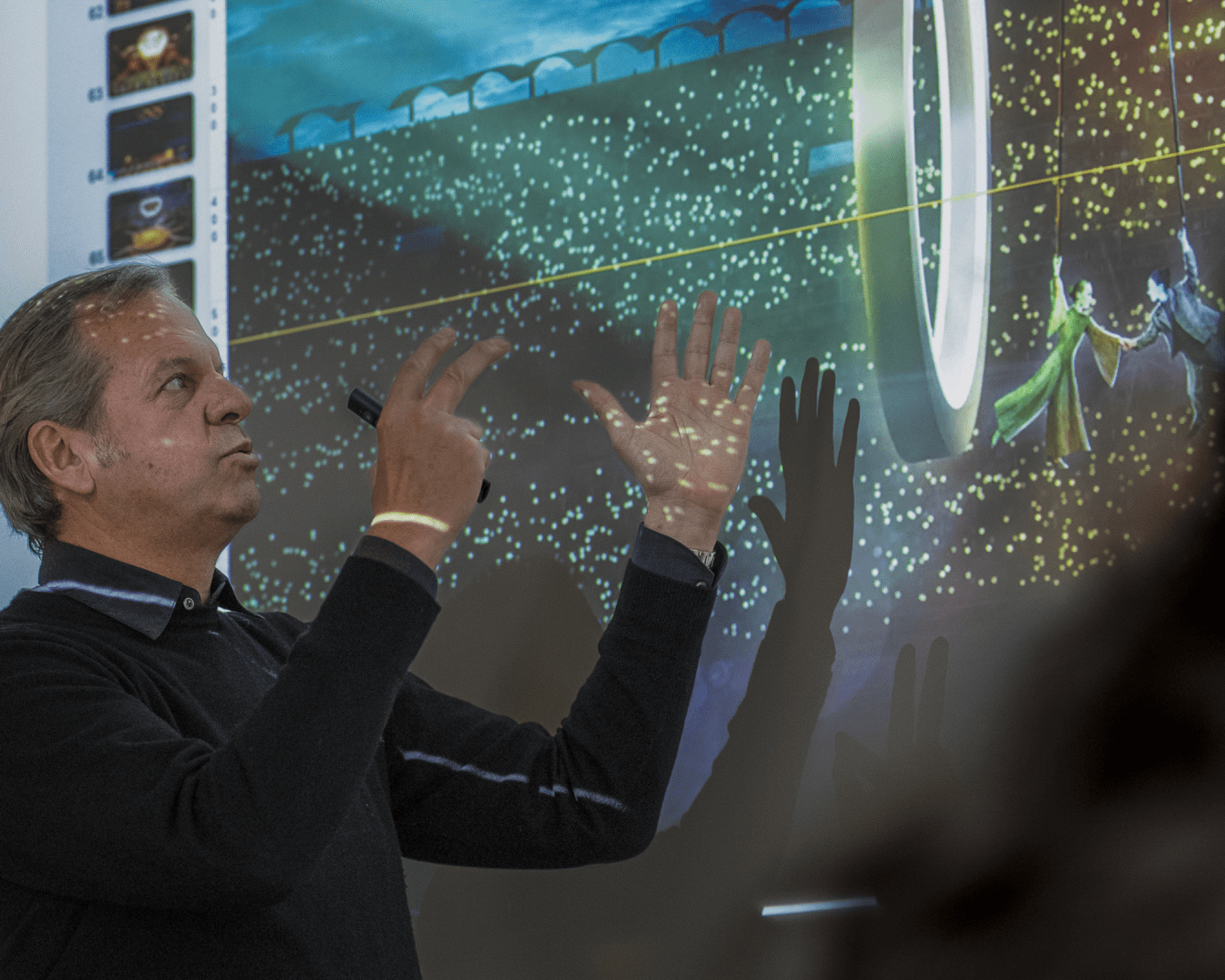
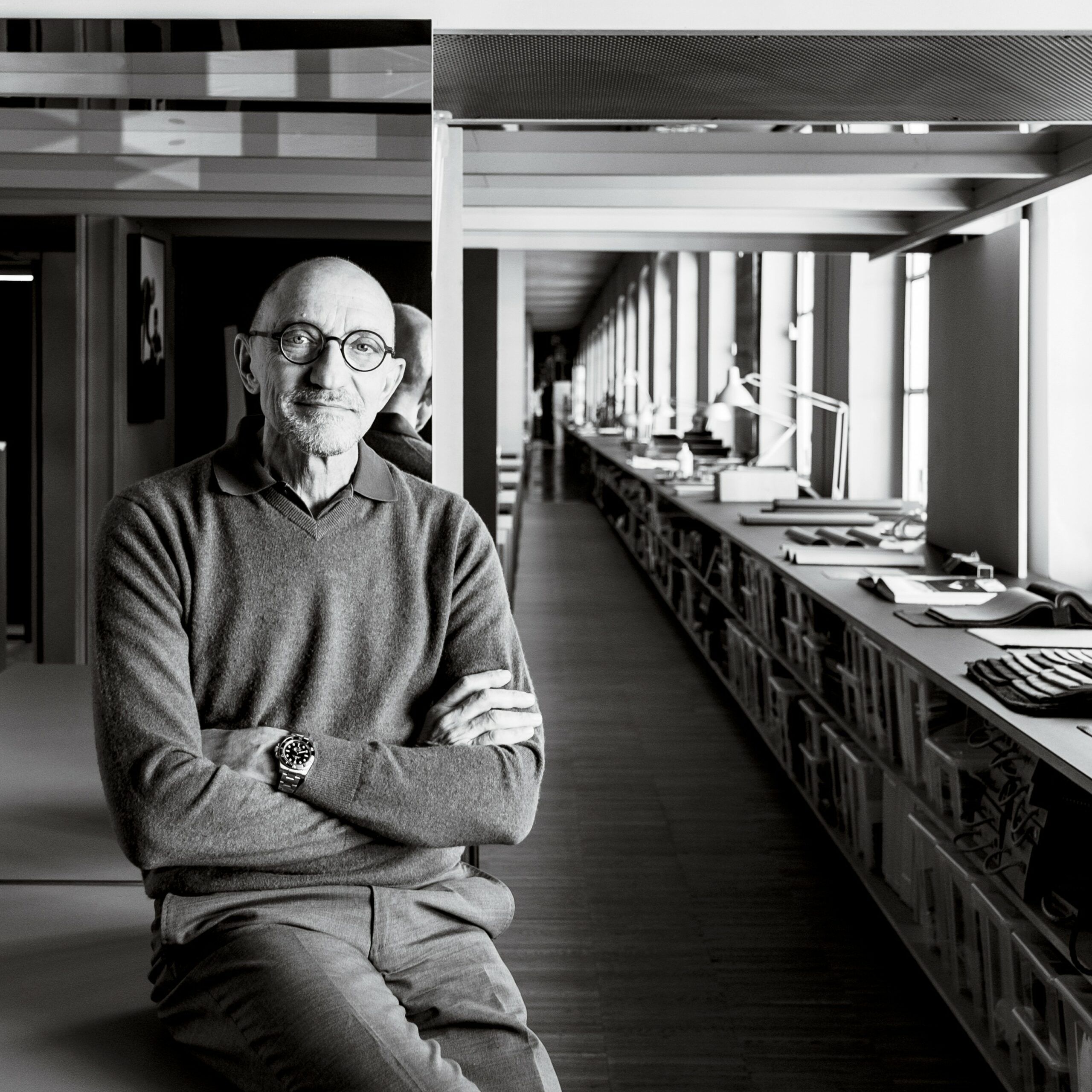
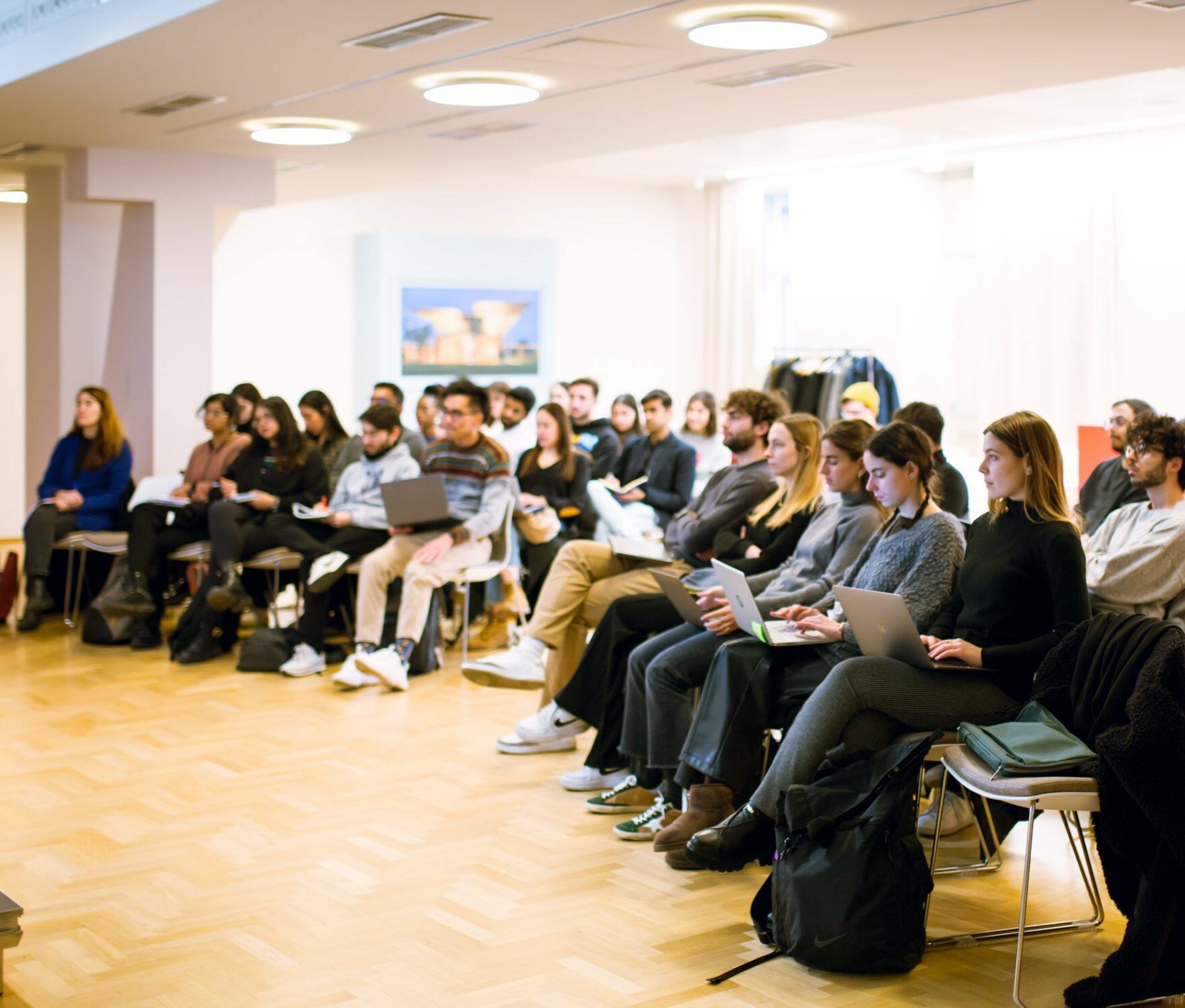
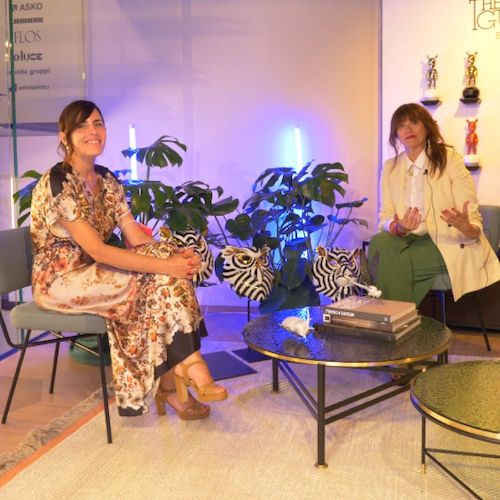
We met Marco Balich on the occasion of his lecture for the Specializing Master in Designing Atmospheres. We talked with him about large-scale ceremonies and immersive events.

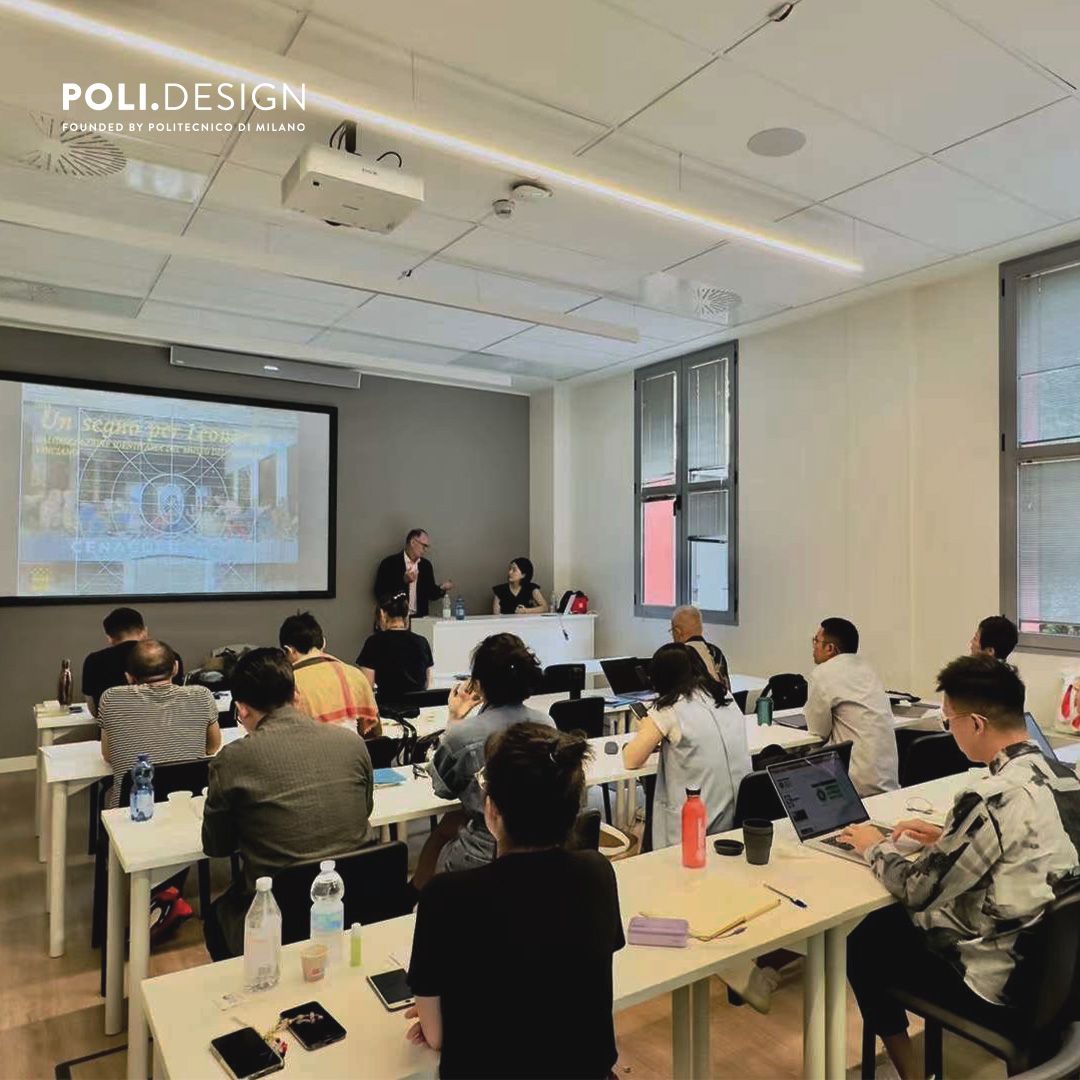
Marco Balich is one of the world’s leading creators of large-scale ceremonies and live events. Through Balich Wonder Studio, he has designed spectacular productions that combine storytelling, scenography, and performance to create powerful shared experiences. Balich recently visited POLI.design to give a lecture to students of the Specializing Master in Designing Atmospheres, a program that integrates sensory and environmental design to create places and architecture with emotional, social, and psychological impact. On this occasion, we interviewed him about the ritual dimension of ceremonies, the role of collective participation in shaping atmospheres, the challenge of representing cultural identity without stereotypes, and the importance of curiosity for young designers interested in creating meaningful experiences.
When you design a ceremony, you create a kind of secular liturgy made of symbols, scenography, and totemic elements. Do you feel that this ritual structure is essential for building an atmosphere, or is it simply one possible path among many?

In a certain sense, Ceremonies are rituals because they are shared moments. They are occasions to celebrate collective culture, a sense of belonging, and the identity of a people, a nation, or sometimes humanity as a whole. Our work consists in reinterpreting and transforming a collective meaning into spectacle so that it can remain in people’s memory.
Symbols, scenography, music, and choreography become a shared language through which thousands of people in a stadium — and millions watching from home — can feel part of the same emotional moment. Without that unifying emotion, a ceremony would risk becoming simply a sequence of performances.
The creation of an ephemeral yet powerful emotional architecture is the key through which my work, and that of Balich Wonder Studio, has established and strengthened itself on a global scale.
In your ceremonies, the audience becomes part of the work. How much do you anticipate collective reactions, and when do you instead choose to guide them directly? Could you share a specific example of an intervention that successfully guided the audience’s response?
When tens of thousands of people share the same space, their emotional reactions can generate an extraordinary collective energy. Naturally, when we design a ceremony, we try to anticipate certain reactions, building moments that are more intimate and reflective alongside others that are more choral, festive, and engaging. But there is always a degree of unpredictability, and that unpredictability is part of the magic of live experiences.
It is precisely within this shared experience that memory is created: when thousands of people live the same emotional moment, that instant becomes something that remains, both individually and collectively.
Your ceremonies express the identity of a community also through symbolic elements that evoke shared values. How do you avoid falling into stereotypes?
We always start with research, study, and listening, with great respect for the culture and the context in which we are working. The aim is to go beyond the surface and understand the deeper layers of history, symbols, and imagination that belong to a place.
Then we apply two essential lenses: the simplicity of emotion and a contemporary perspective. This helps us avoid celebrations that feel nostalgic or overly stereotyped.
In the most recent ceremony, for example, the Italian spirit was expressed through costumes and visual references inspired by our culture — from art and design to fashion and cuisine — always reinterpreted with a sense of lightness and imagination, which are an integral part of our identity.
If you were to give one piece of advice to a young designer interested in creating experiences and atmospheres, what is the first thing they should learn to observe?
Being curious, and above all preserving that curiosity over time. Curiosity towards many different fields, even towards languages and disciplines that may seem distant from our own, because cross‑pollination is always vital and brings important inspiration.
It is essential to nourish oneself with different cultures, disciplines, and perspectives. Very often, the most interesting ideas emerge precisely from the encounter between different worlds.
And then there is the importance of cultivating a sense of beauty — not only as an aesthetic or artistic value, but also as something that concerns relationships between people, the ability to create positive connections and shared moments.

Follow this link and discover the next edition of the Specializing Master in Designing Atmospheres!