POLI.designcontributed to the new standard thatdefines the expertise, skills, and competenciesrequired of design professionals.
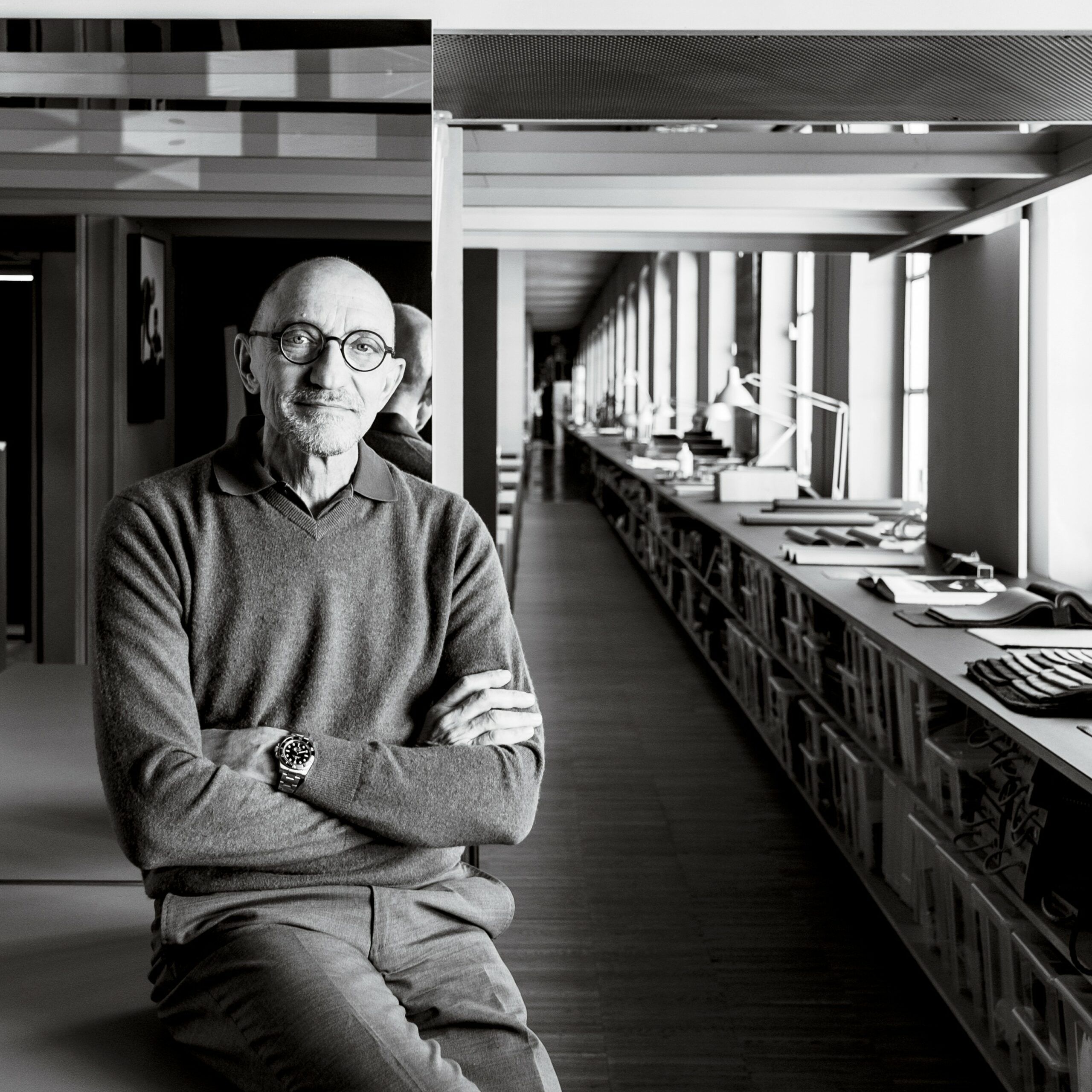
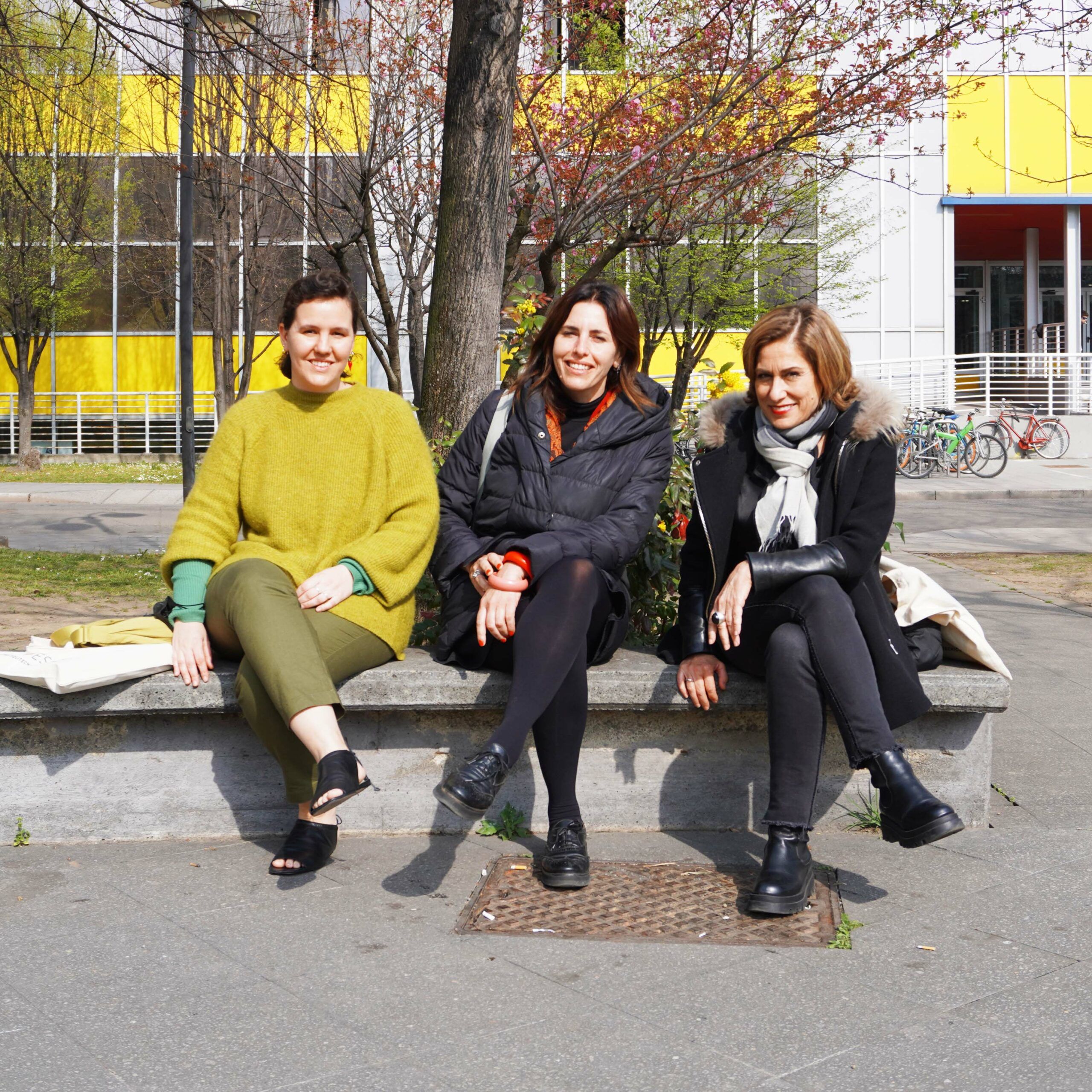
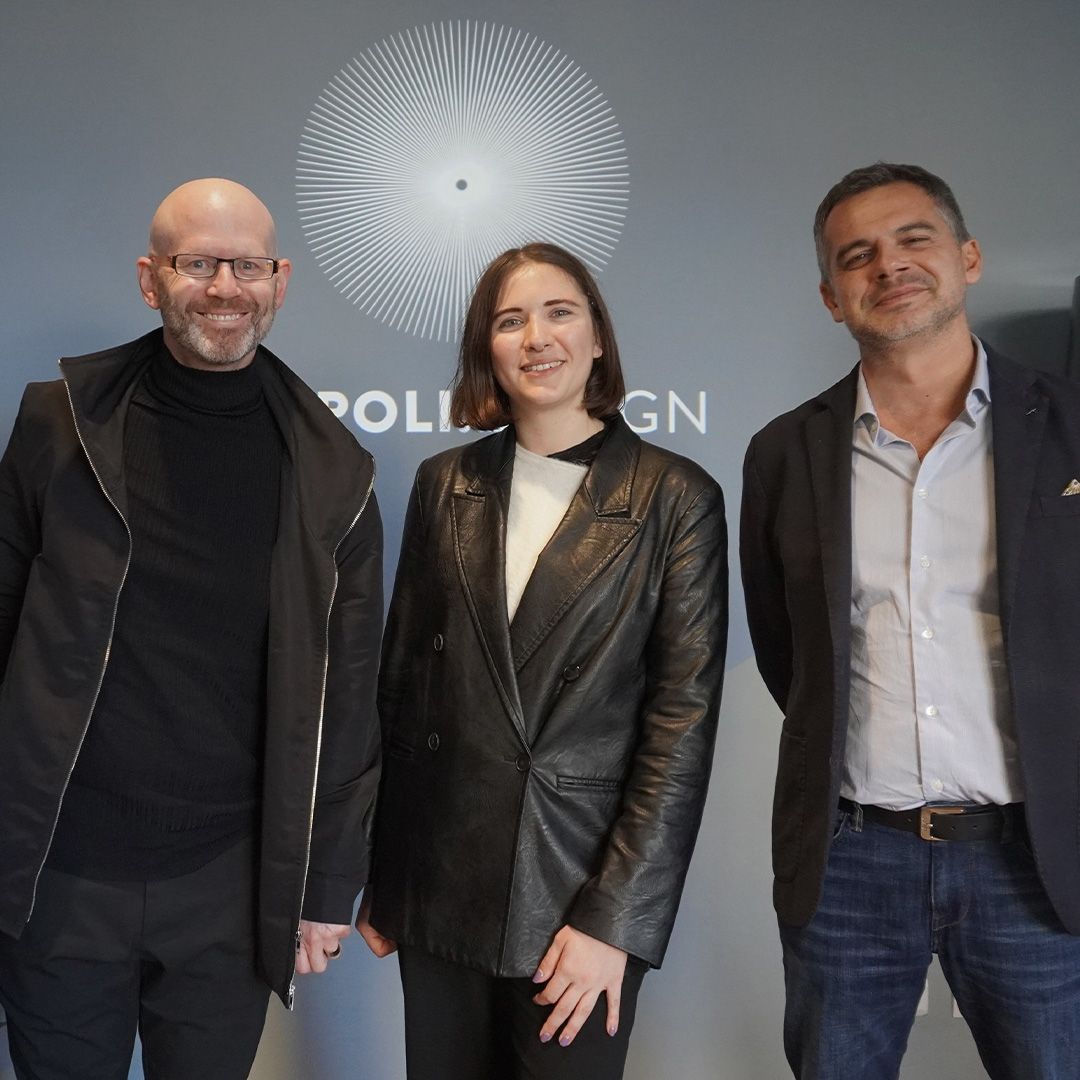
Italian design sees its value reaffirmed once again: UNI 12001:2026 officially sets out the expertise, skills, and competencies that define the professional role of the designer. Proposed by ADI, AIAP, and AIPI, the initiative brought together major stakeholders across the sector, including POLI.design, CNA, Confcommercio Professioni, IED, ISIA, NABA, the Società Italiana Design, the University of Camerino – School of Architecture and Design, and the University of Florence. The process was coordinated by Luciano Perondi, Project Leader and head of the working group (GL 26).
The UNI 12001 standard describes the designer as a professional who places the project understood as an intellectual and methodological process—at the heart of their practice. Designers are called to merge creative vision with practical application, drawing on their expertise and using advanced tools with the aim of improving people’s quality of life and the surrounding environment.
The profile outlined by the standard is broad and adaptable, reflecting the diversity of contemporary design practice: from interiors to fashion, from product to communication and graphic design. In addition to defining roles and responsibilities, the standard provides guidance for continuous skills development and identifies two professional levels, aligned with the European Qualifications Framework (EQF): the firstlevel designer (EQF 6) and the expert designer (EQF 7). It also specifies the criteria for conformity assessment, conducted through an examination.
Inclusivity is a central element of UNI 12001, reflected both in its use of genderinclusive language and in its attention to different forms of disability. The standard also emphasizes the environmental and ethical dimensions of design, calling on professionals to remain aware of the social, cultural, economic, and ecological implications of their work and to commit to promoting design quality.
The standard was developed within CT 006, the committee responsible for nonregulated professional activities.
News
Early Bird 2025
news
The applications for the Specializing Masters and Executive Courses starting in the next months. Visit the page of the Specializing Master or Course you are interested in and register by...
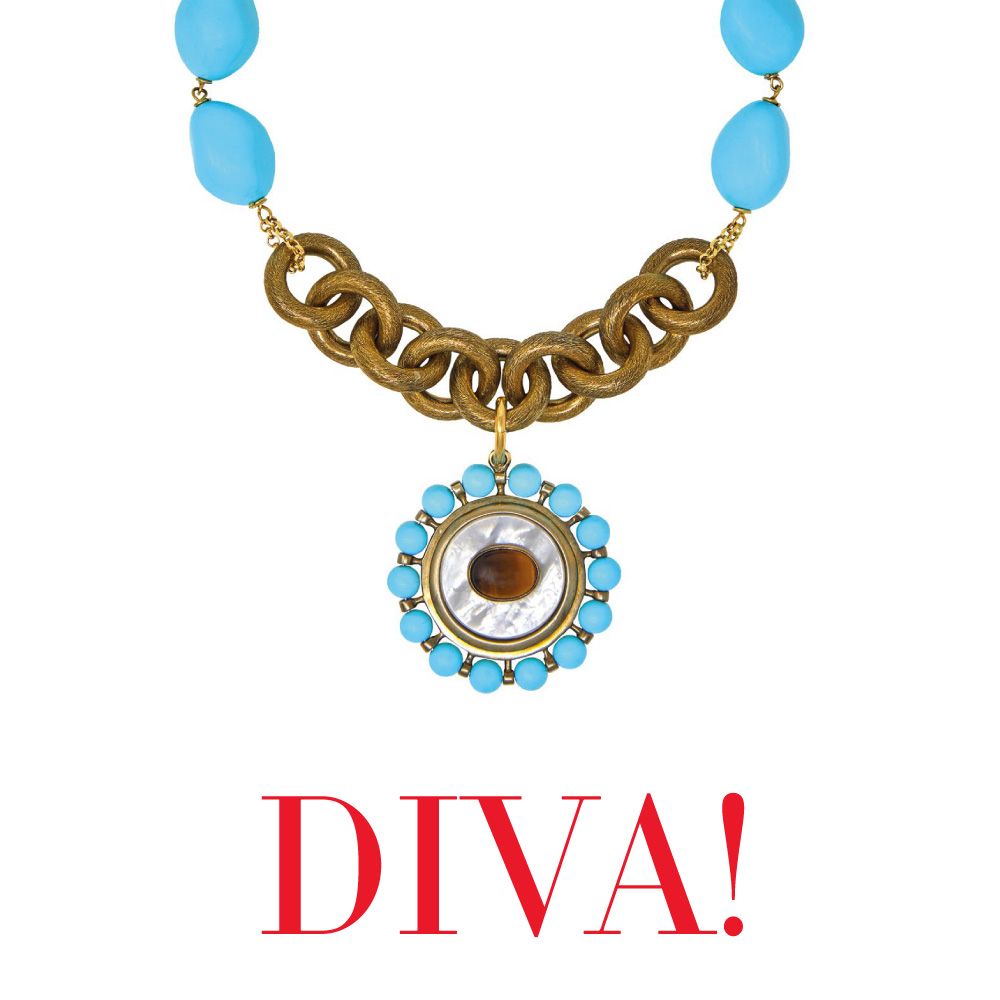
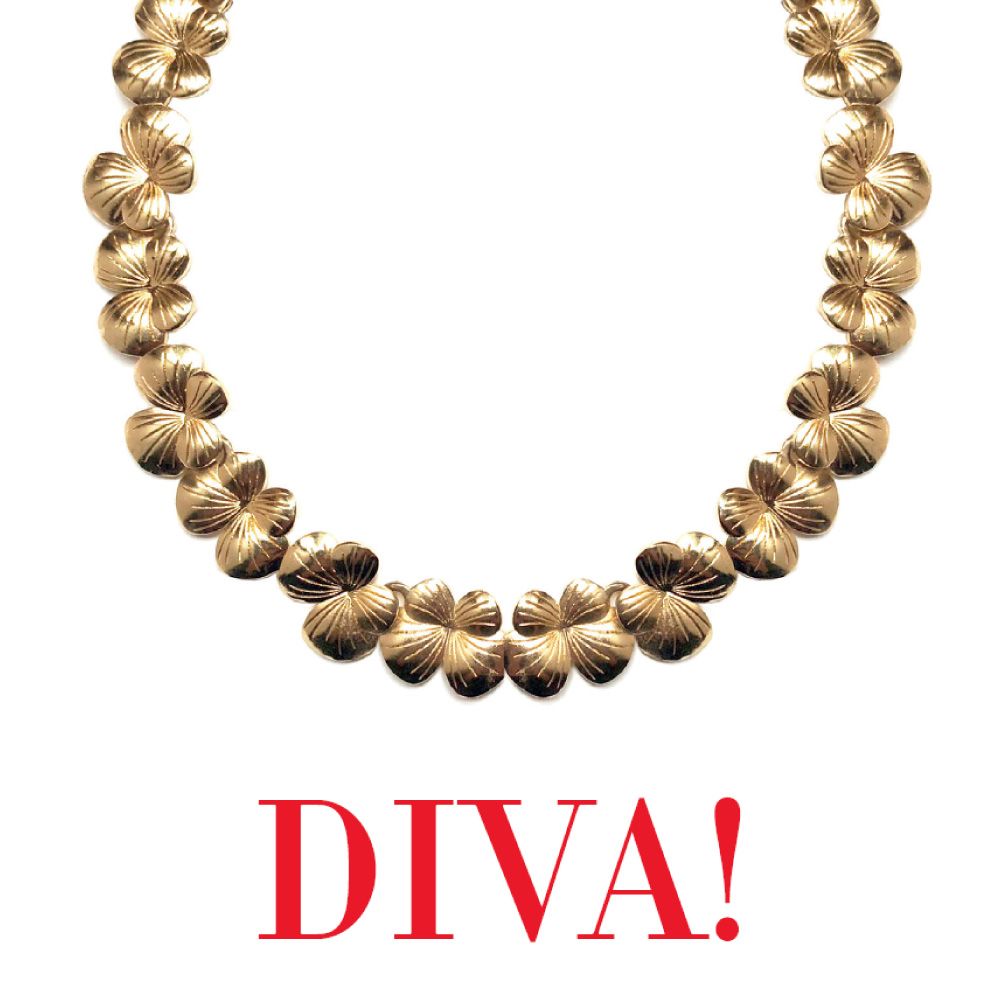
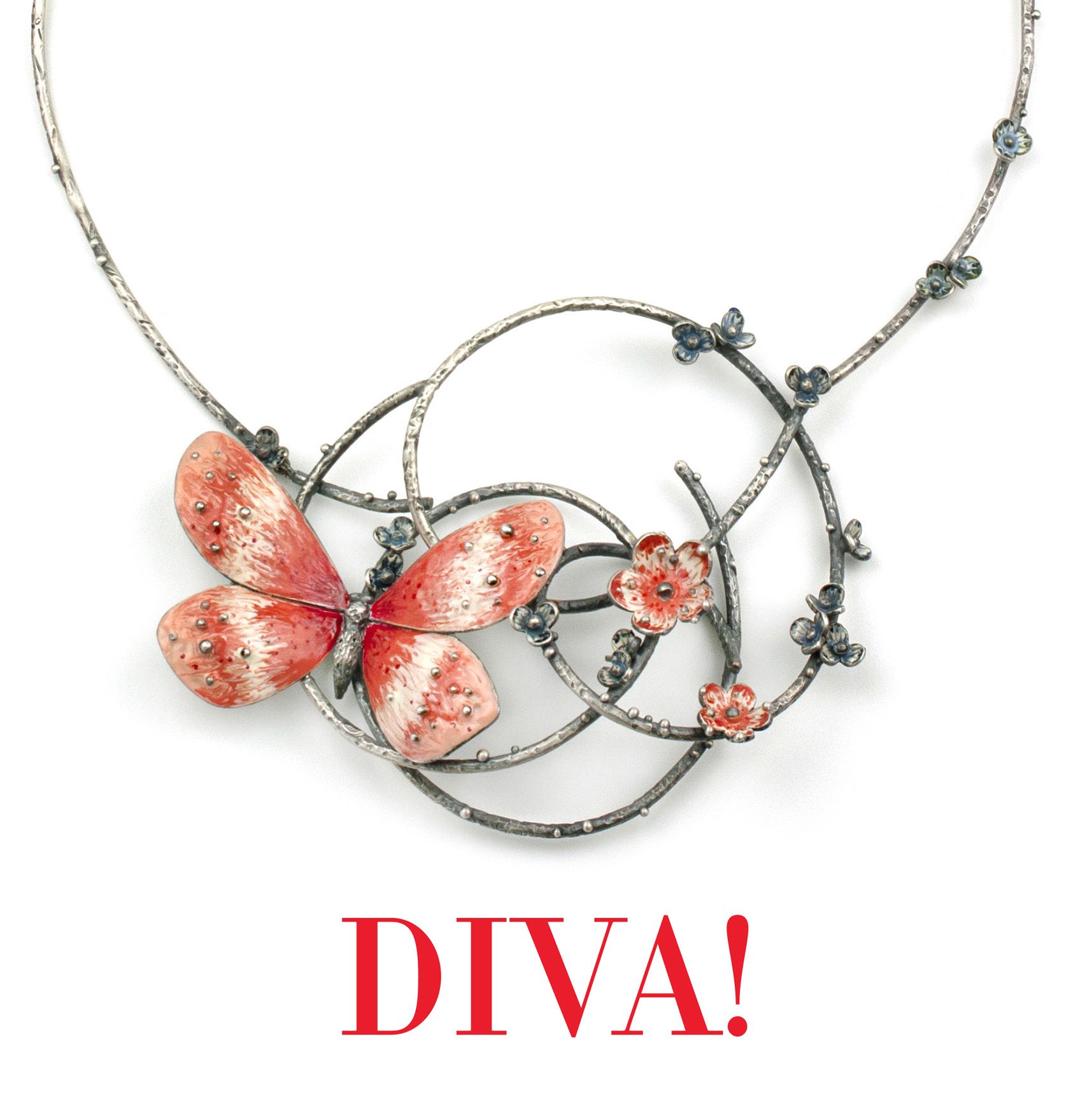
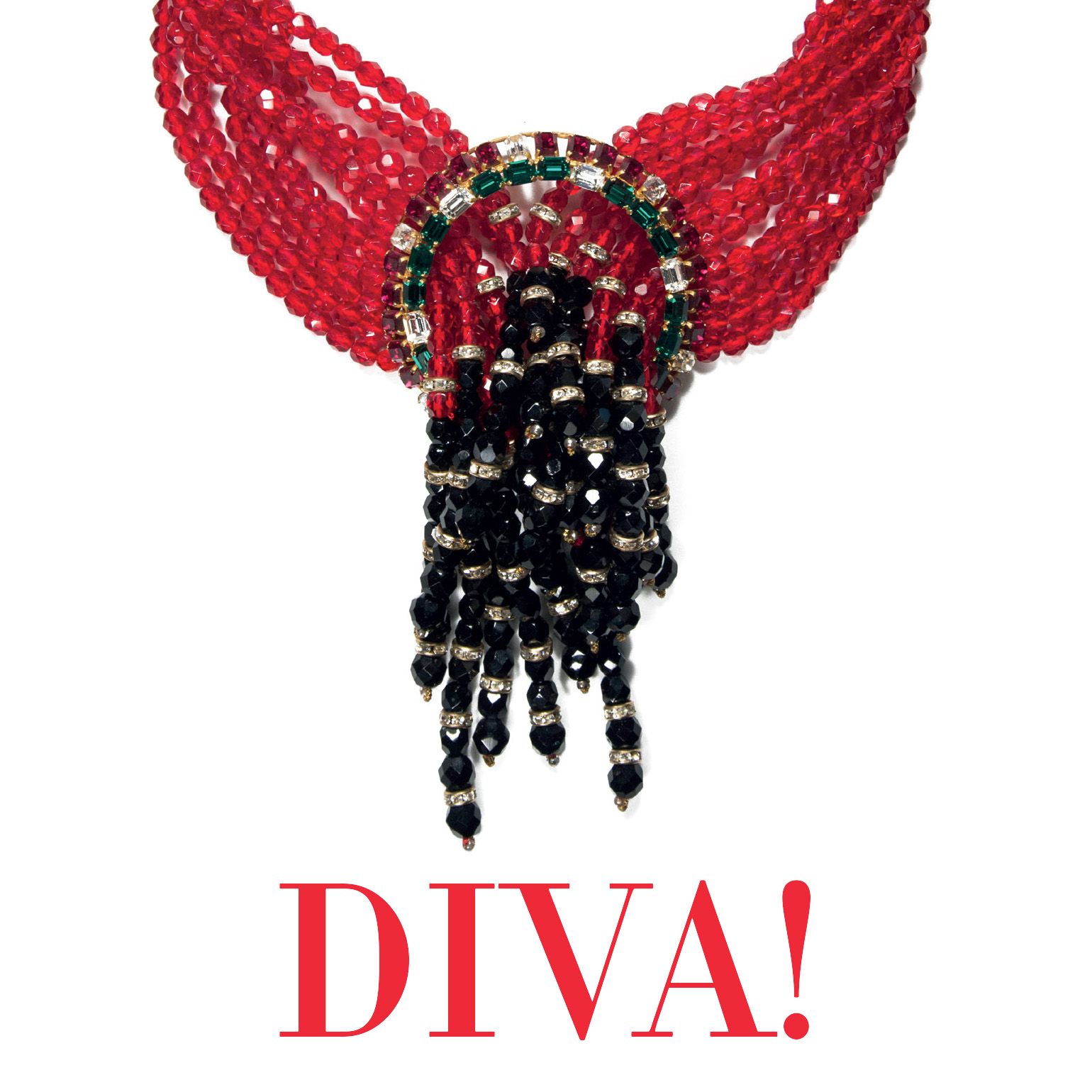
“Diva! Italian Glamour in Fashion Jewellery”
news
The second edition of the itinerant exhibition DIVA! Italian Glamour in Fashion Jewellery has started.
“Rodolfo Dordoni” Partial Exemptions for Future Furniture Designers
news
Two 50% tuition exemptions are available for the 2025/2026 edition of the Specializing Master in Furniture Design. Apply by July 23rd – don’t miss this opportunity!
24H WORLDWIDE DESIGN CONVERSATIONS.
news
On the occasion of the second edition, on June 23 there will be a 24-hour live broadcast with conversations on the concept of “Designing in an era of uncertainty” between...
A panettone to do good
news
ADVANTAGE AUSTRIA Italia delegation at POLI.design
news
Al via il design workshop con VANS, un’iniziativa del Sistema Design del Politecnico di Milano per la generazione di idee per rendere accessibile e inclusiva la personalizzazione dei prodotti del marchio
news
L’iniziativa denominata “VANS CUSTOMISATION EXPERIENCE”, partita venerdì 14 maggio, prevede un percorso originale di sviluppo di nuovi prodotti, servizi ed esperienze per la customizzazione dei prodotti VANS in store
Also in Angola "Diva! Italian Glamour in Fashion Jewellery"
news
Also in Uzbekistan the exhibition "Diva! Italian Glamour in Fashion Jewellery" managed by POLI.design
news
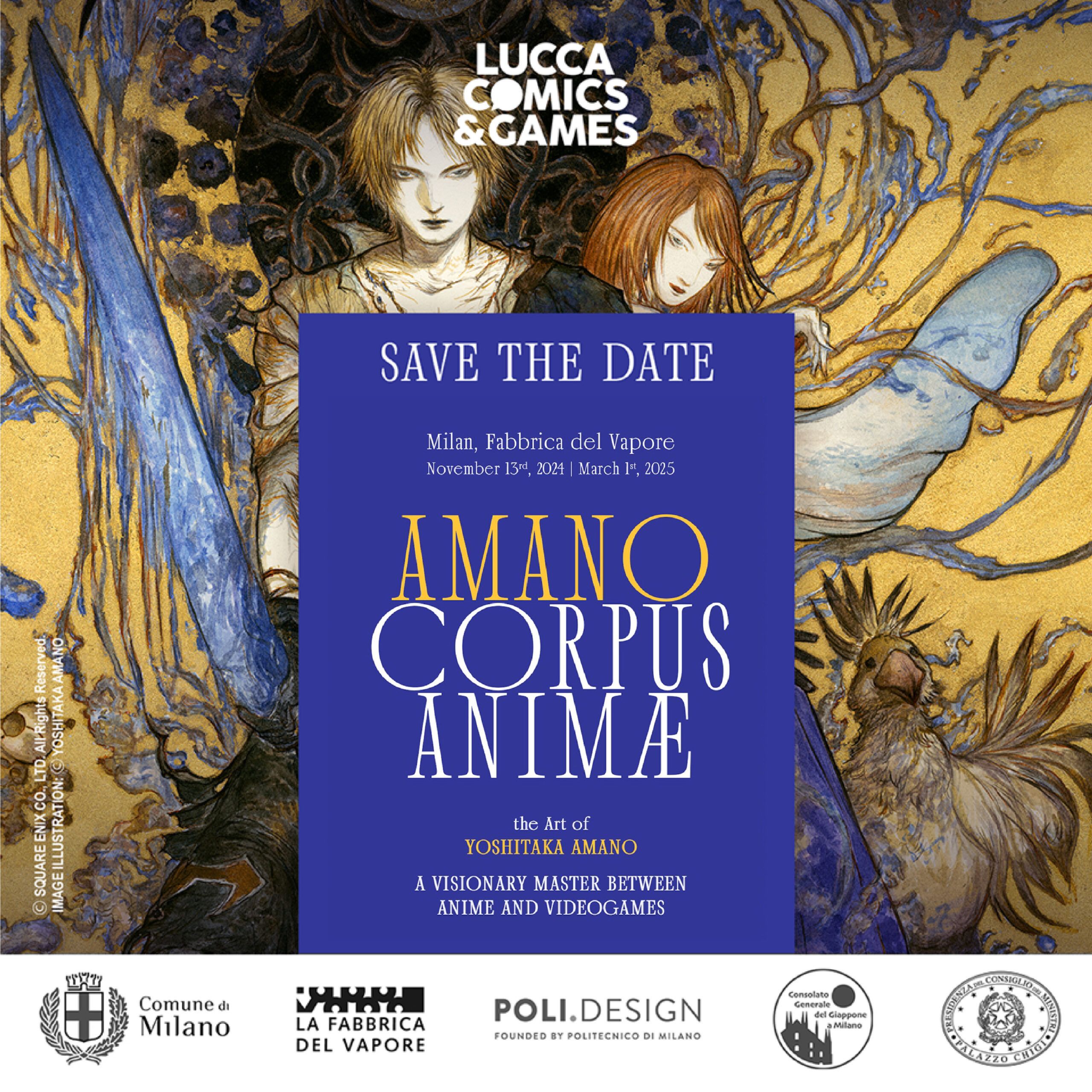
AMANO CORPUS ANIMAE
news
From November 13th, Lucca Comics & Games brings Maestro Amano’s work to Milan. POLI.design designed the exhibition set and will manage a side-project program that includes workshops, a design challenge,...
At POLI.design the delegation of IE School of Architecture and Design
news
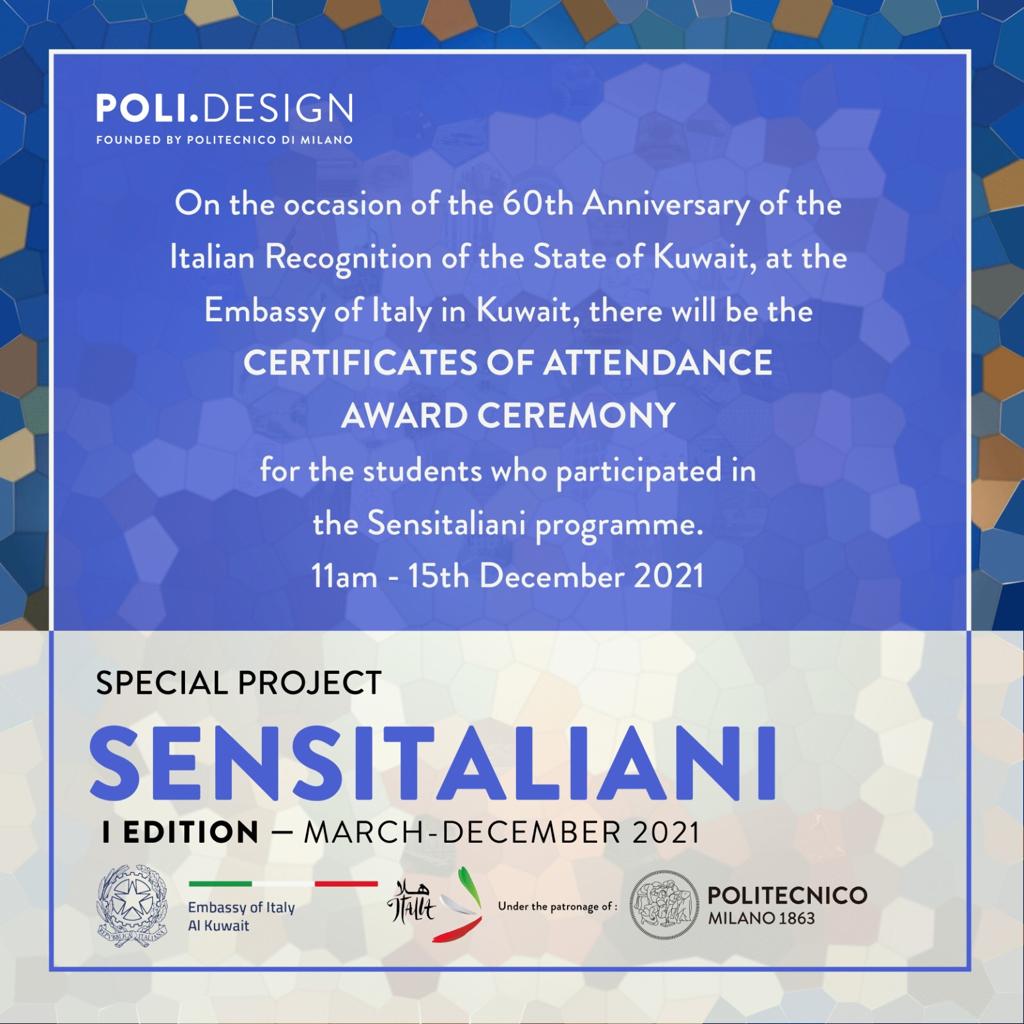
At the Italian Embassy in Kuwait, the awarding of certificates for the participants in the SENSITALIANI project
news
At the start the new Special Project "DESIGN & PRODUCT DEVELOPMENT. Learning from the Italian Experience"
news
Biesse International Design Award
news
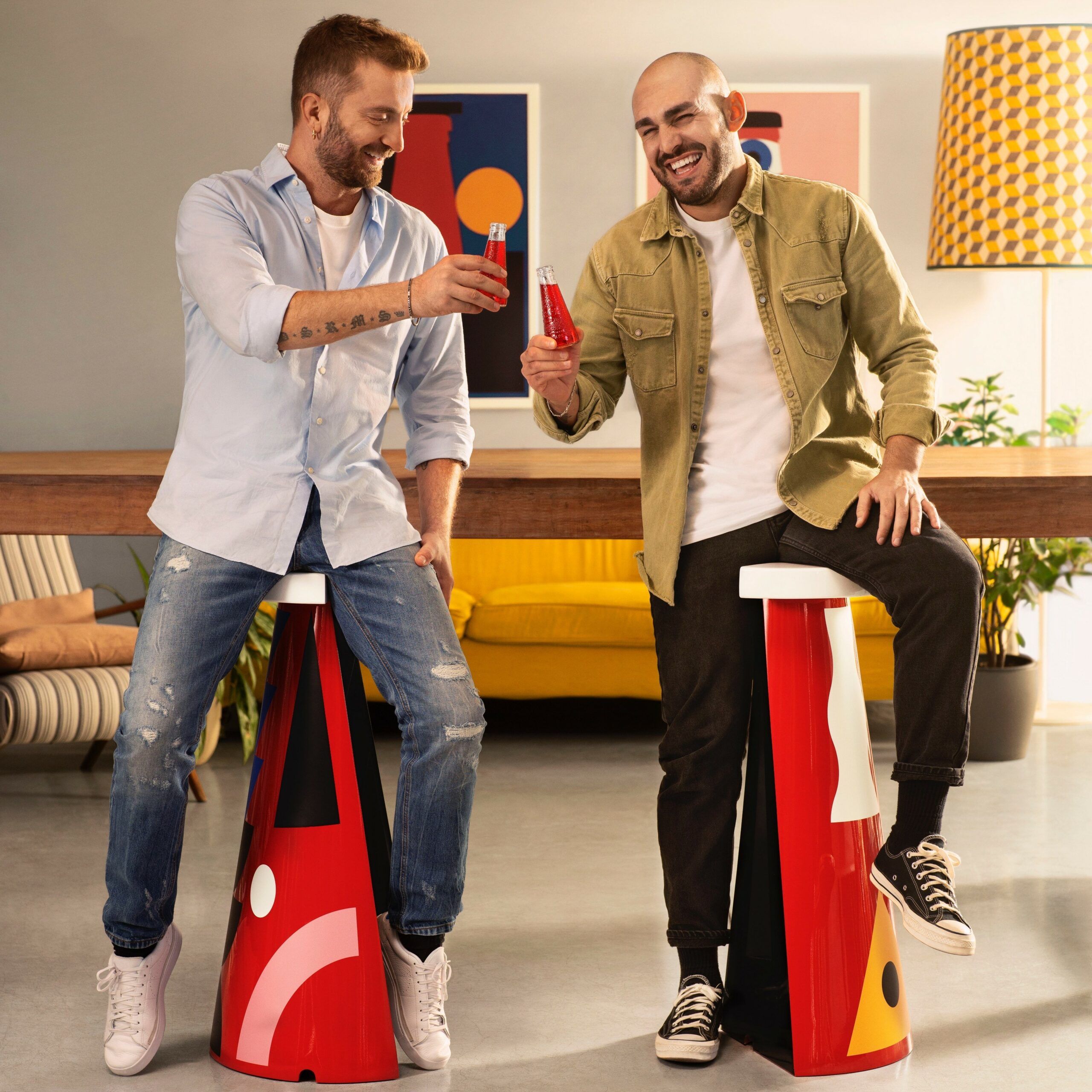
Campari Soda and Deodato Arte together for DUO, the #label-free stool born to be shared
news
The entire proceeds from the sale of 32 reproductions of DUO, a design object created by Campari Soda in collaboration with Marco Oggian, will be donated to POLI.design for the...
Cape Town is the next stage of the exhibition "Diva! Italian Glamour in Fashion Jewellery" realized by POLI.design
news
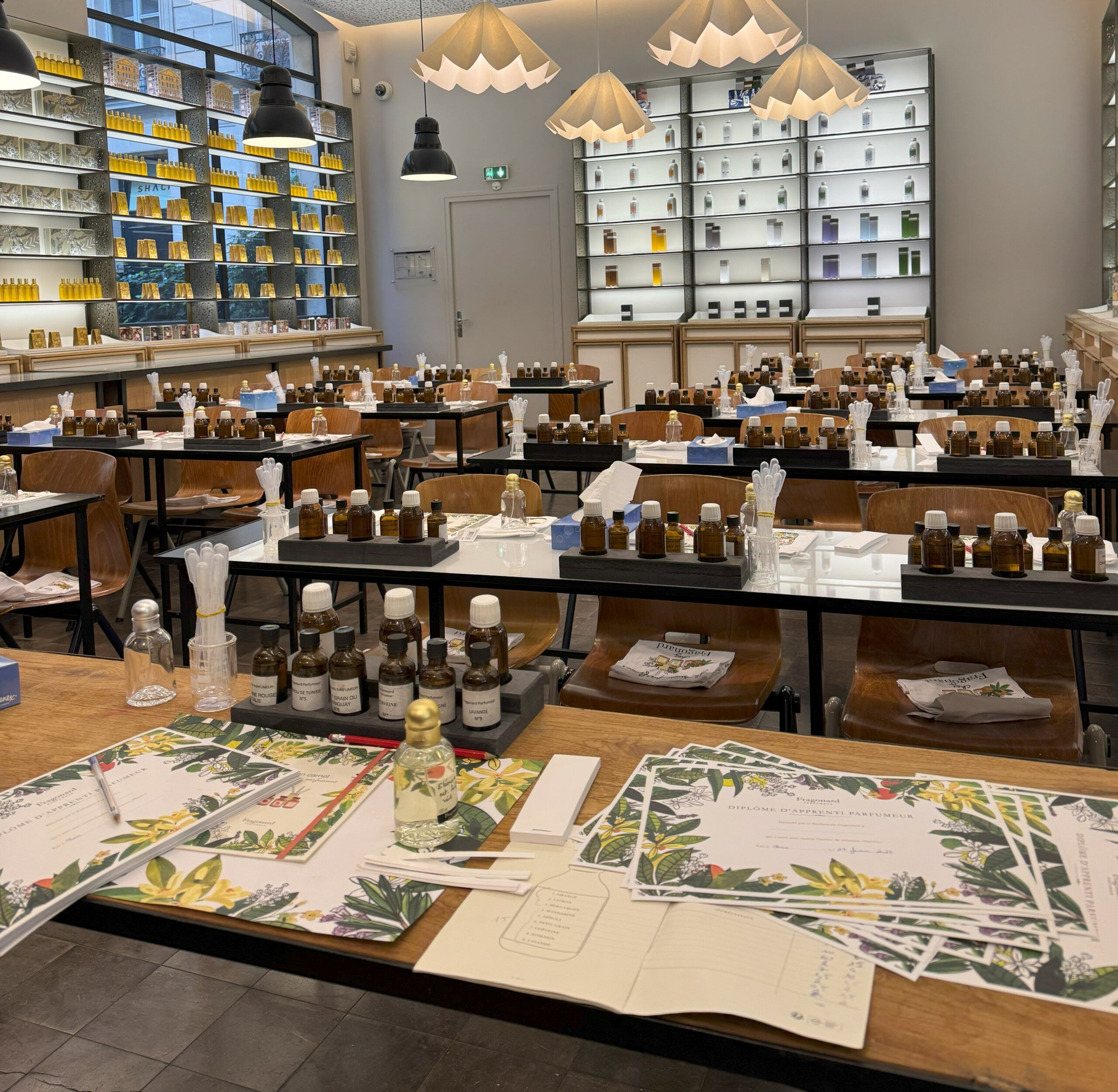
Course in Olfactive Design: the hands-on experience in France
news
Scent experimentation meets the history of perfumery. The second edition of the Executive Course in Olfactive Design concluded with a two-day immersive experience at the Fragonard laboratories in Paris and...
DESIGN AGAINST WAR
news
Design Intelligence Award (DIA)
news
Design Talks 2025
news
Seven talks on hospitality curated by POLI.design at HostMilano 2025, October 17–21
Design the future
news
The Prof. Venanzio Arquilla speech during the Fujitsu Activate Now global event.
DESIGN X DESIGNERS
news
Designer Who?
news
The identikit of emerging and future designers: an overview of professionals who will play a pivotal role in the design field, both in public and private organizations.
Designing Atmospheres at Scale – An interview with Marco Balich
news
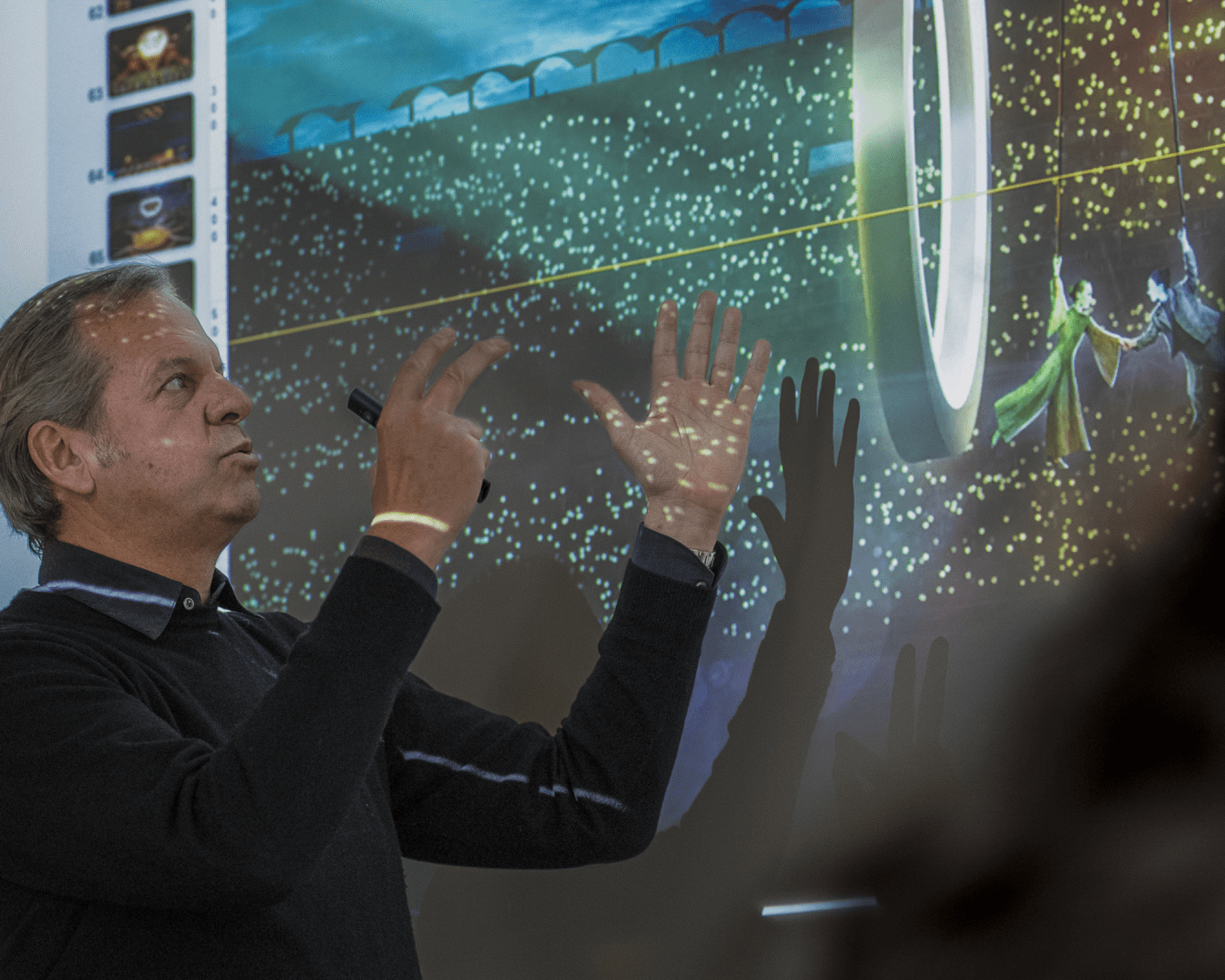
We met Marco Balich on the occasion of his lecture for the Specializing Master in Designing Atmospheres. We talked with him about large-scale ceremonies and immersive events.
DIGITAL INNOVATION DAYS 2021. From 10 to 13 November POLI.design will be at the #1 event in Italy on digital and innovation, which this year becomes phygital with more than 200 speakers.
news
The event is dedicated to digital transformation at 360 degrees, created to disseminate and measure the impacts of the best strategies of entrepreneurship, innovation, digital marketing and sustainability, and new...
DIGITAL OPEN DAYS // 1 and 2 JULY 2021
news
What will your profession be? Discover the training proposal of POLI.design, part of the Politecnico di Milano group!
DIGITAL OPEN DAYS // JUNE 29 and 30, 2022
news
What will your profession be? Discover the training proposal of POLI.design, part of the Politecnico di Milano group!
DIGITAL OPEN DAYS // OCTOBER 12 and 13, 2022
news
…The next appointments of the Digital Open Days of POLI.design, Consortium Company founded by Politecnico di Milano, are approaching! Discover the training proposal and start planning your future in the...
DIGITAL OPEN DAYS // SEPTEMBER 22, 2021
news
…The third appointment of the Digital Open Days of POLI.design, Consortium Company founded by Politecnico di Milano, is approaching! Discover the training proposal and start planning your future in the...
DIVA! The Jewellery Design exhibition project in 2024
news
Go to the news and discover the events in 2024.
POLI.design launches DOT
news
The new digital creative space where you can share contents about the world of design with experts and peers!
EARLY BIRD MASTER | -15%, -10%, -€1000
news
A unique opportunity to access the Master’s programs starting in 2026 and 2027.
ECIA - European Council of Interior Architects.
news
Executive Training for Newton Bussiness School of Shanghai
news
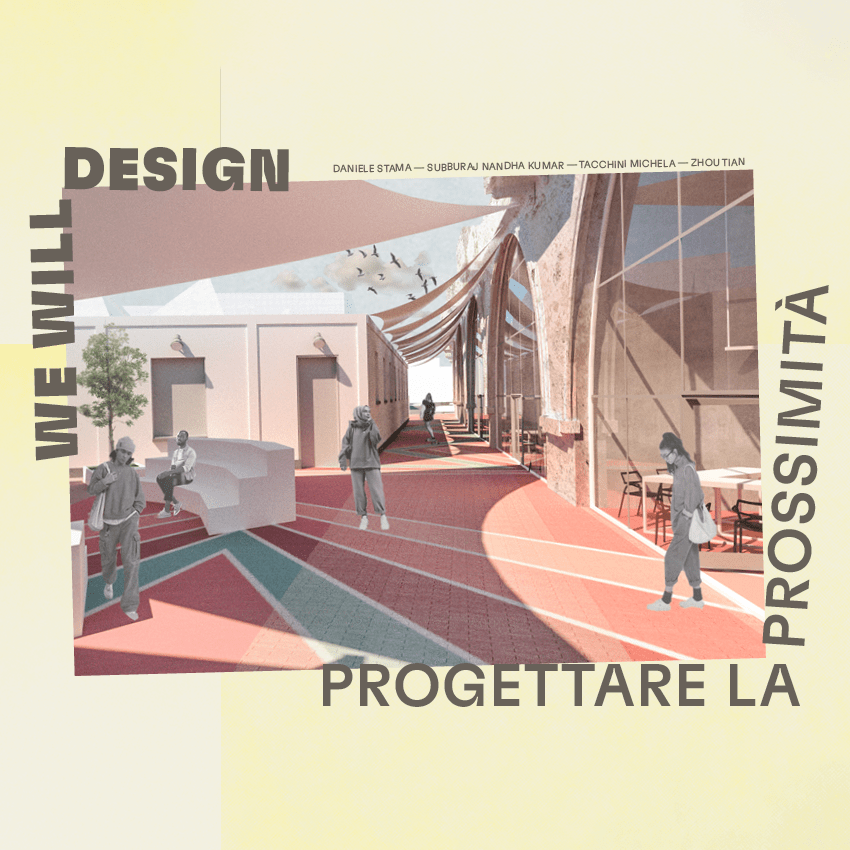
Exhibition 'Design the proximity' and Public Program of meetings in collaboration with BASE Milano
news
‘Designing the proximity’ is the theme that the Design System of the Politecnico di Milano – a unique research and education centre composed by POLI.design, School of Design and Department...
The first workshop of POLI.design's Specializing Master in Strategic Design dedicated entirely to nonprofits.
news
From February 6 to 22, 2023, 35 international students of the Master in Strategic Design will work with AIRC and EMERGENCY two historical excellences of the Italian NGO’s scene.
For the Milan Design Week 2022, POLI.design organizes study tours and welcomes international delegations
news
For the Milan Design Week 2023, POLI.design organizes study tours for international delegations
news
Milan Design Week 2023: exhibitions and events not to be missed. POLI.design will lead international delegations on a tour of the Fuori Salone.
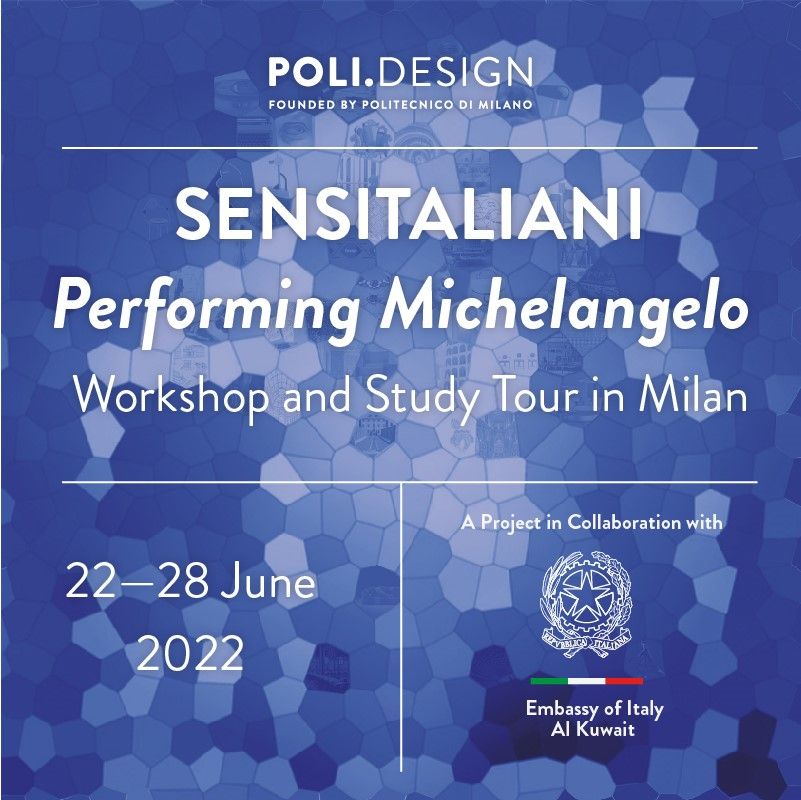
From June 22 to June 28, 2022, Sensitaliani workshop and study tour in Milan
news
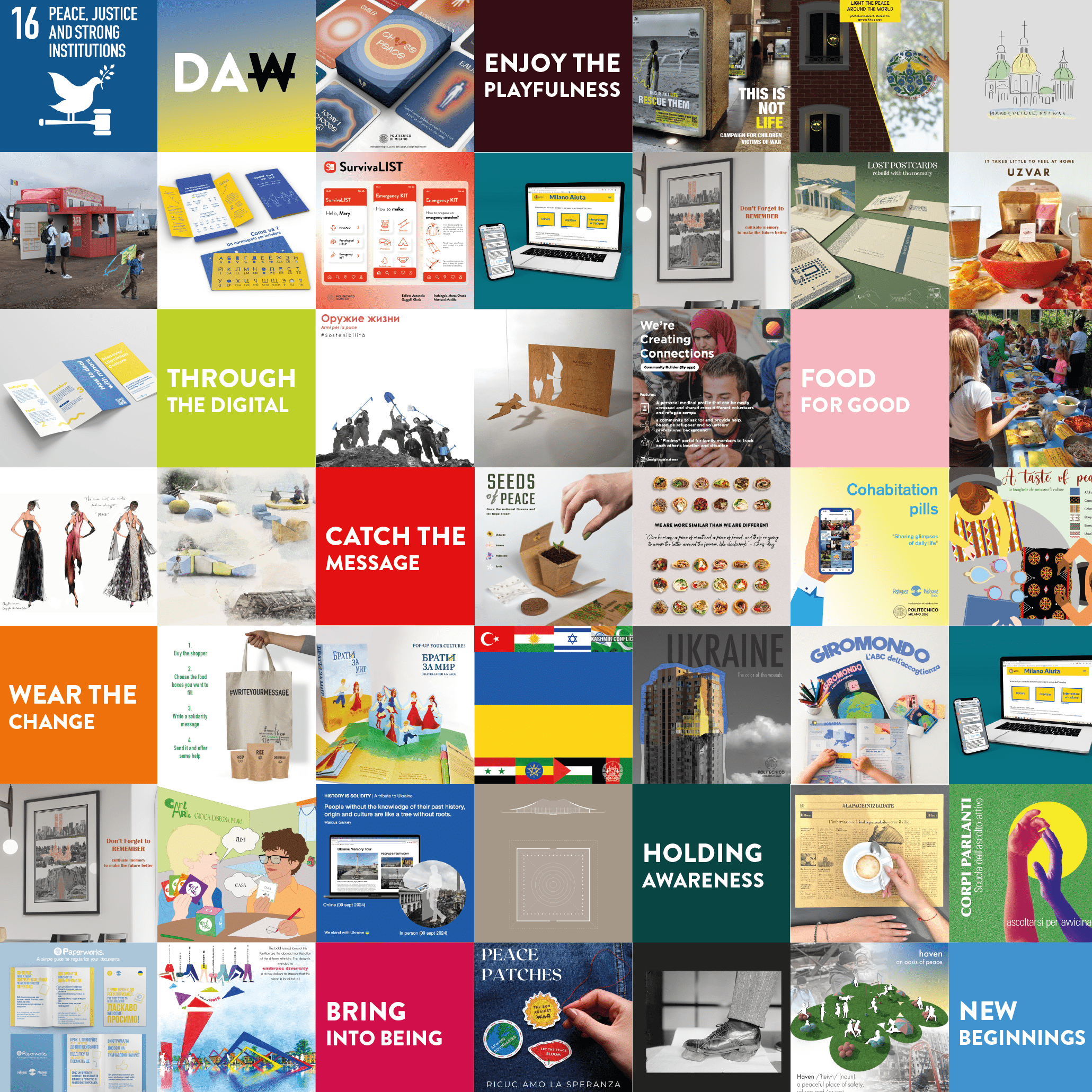
From October 12 to 21, the exhibition presenting anti-war projects
news
Happy holidays and a happy new year from POLI.design!
news
Do not hesitate to contact us, the head office will be closed from December 24th, 2022 to January 8th, 2023, included, but we remain available for any information you may...
Happy Holidays and Best Wishes for 2025!
news
POLI.design wishes you a serene holiday and a bright 2025. Together, we’ll embrace new opportunities to learn, create, and connect.
Happy holidays and a happy new year from POLI.design!
news
Happy summer holiday from POLI.design!
news
Happy summer holiday from POLI.design!
news
Happy summer holidays from POLI.design!
news
In December 2021 POLI.design partecipates in the Guangzhou Design Week
news
With more than 14 years of operational history, Guangzhou Design Week is the first annual international design exhibition in China since 2006 and the most influential and largest commercial activity...
In memory of Ing. Giorgio Gamberini, partial exemptions available for the Specializing Master in Furniture Design
news
Invest your talent in Italy
news
Italian Design Day 2022: Design and new technologies for a sustainable future
news
Launching soon SENSITALIANI, the project to promote Italian design born from the collaboration between POLI.design and the Italian Embassy in Kuwait.
news
A 10-month project, 3 months dedicated to courses for local students, 8 open talk evenings and a 6-day study tour in Italy for design students and industry professionals in Kuwait...
LUXURY HOSPITALITY CONFERENCE
news
Massive Design Changes
news
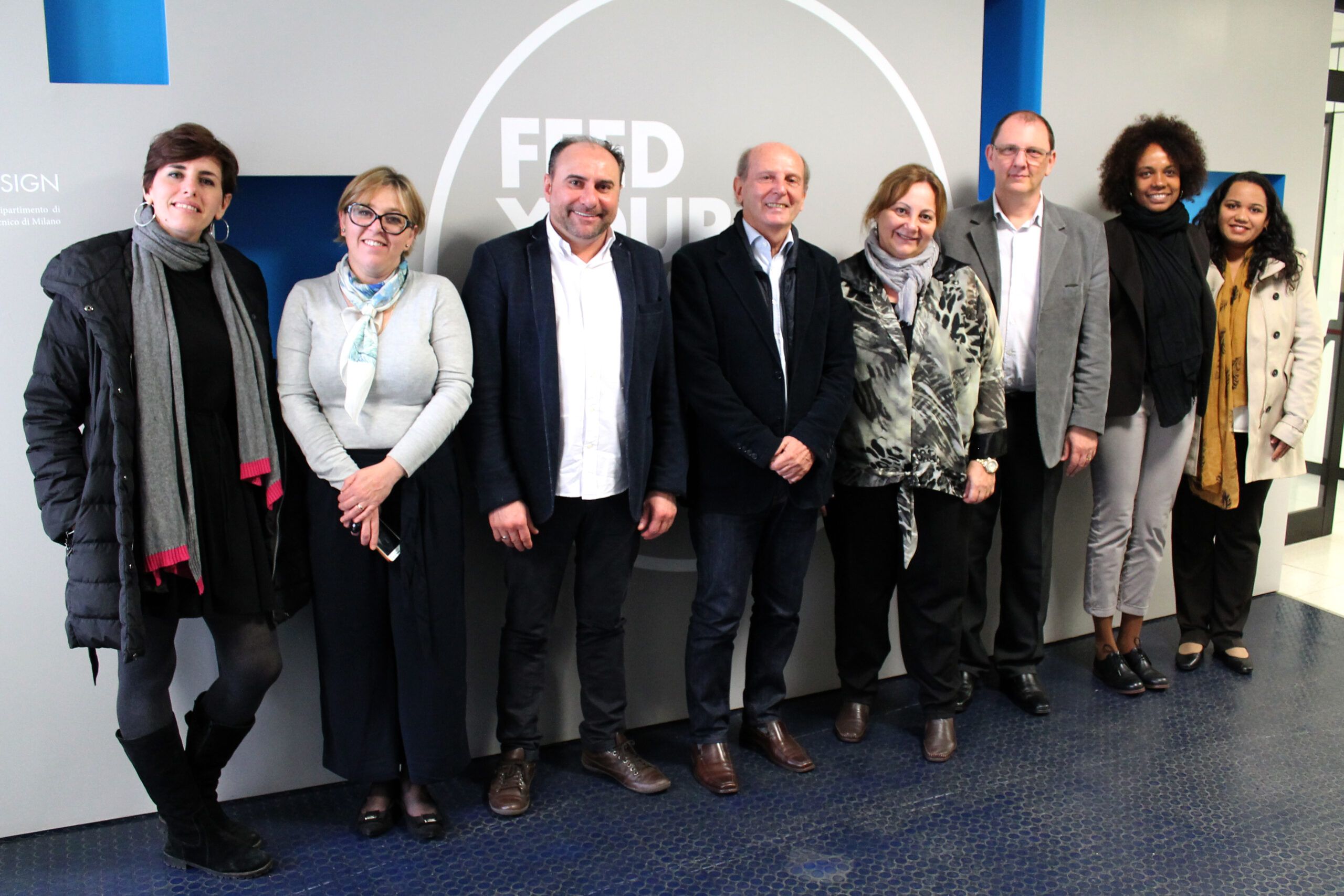
Masterclass 23 São Paulo
news
Masterclass 23 is the first initiative of Brasil Advanced Design Education and aims to connect companies, schools and professionals of excellence from the Italian and Brazilian scene in the sectors...
Meeting with the Fashion Hub of Serra Gaúcha
news
Milan Design Week 2021. POLI.design with different appointments not to be missed
news
Also this year POLI.design participates in the Milan Design Week from 4 to 10 September 2021, and fits into the international panorama of design, culture and innovation.
Milan Design Week 2022.
news
Milan Design Week
news
Future Lab is the proposed theme for this edition, a moment of discussion to translate today’s challenges into opportunities for tomorrow.
Milan Design Week Study Tour by POLI.design
news
POLI.design will lead international delegations of professionals in an exclusive experience in the heart of the Capital of Design
New agreement between POLI.design and the Argentinean University UADE
news
New Board of Directors of POLI.design
news
New collaboration between POLI.design and Fondazione La Triennale di Milano
news
The agreement guarantees students, teachers and employees of POLI.design discounts for the 2021/2022 programme and updates on events and initiatives promoted by Triennale di Milano, the world-famous cultural institution dedicated...
New partnership between POLI.design and IPOG
news
Open Day 2024
news
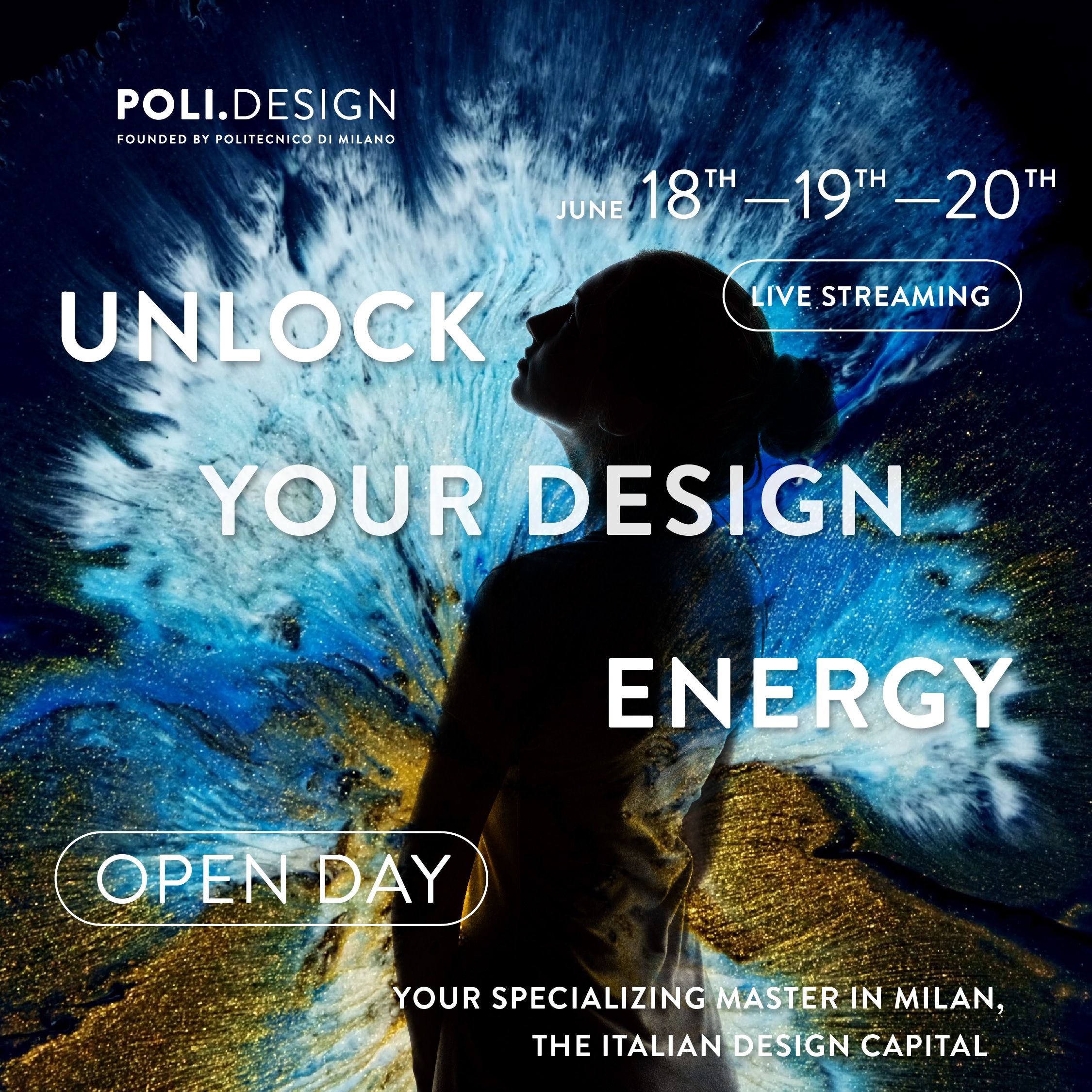
The online event on June 18th, 19th, and 20th. An opportunity to discover POLI.design’s Specializing Masters and start your study path in Milan, the Italian capital of design.
Open Day 2025
news
The online event on May 20th, 21st, and 22nd. An opportunity to discover POLI.design’s Specializing Masters and Advanced Training Courses and start your study path in Milan, the Italian capital...
Open Day 2026
news
The online event on March 17th, 18th, and 19th. An opportunity to discover POLI.design’s Specializing Masters and International Summer School and start your study path in Milan, the Italian capital...
Phygital Open Day October 24th, 2023
news
POLI.design invites you to participate to its Phygital Open Day scheduled for 24th October, 2023
Phygital Open Days by POLI.design 2023
news
POLI.design invites you to participate to its Phygital Open Days: both online and in-person appointments that will give participants the opportunity to learn about our educational programs, the faculty and...
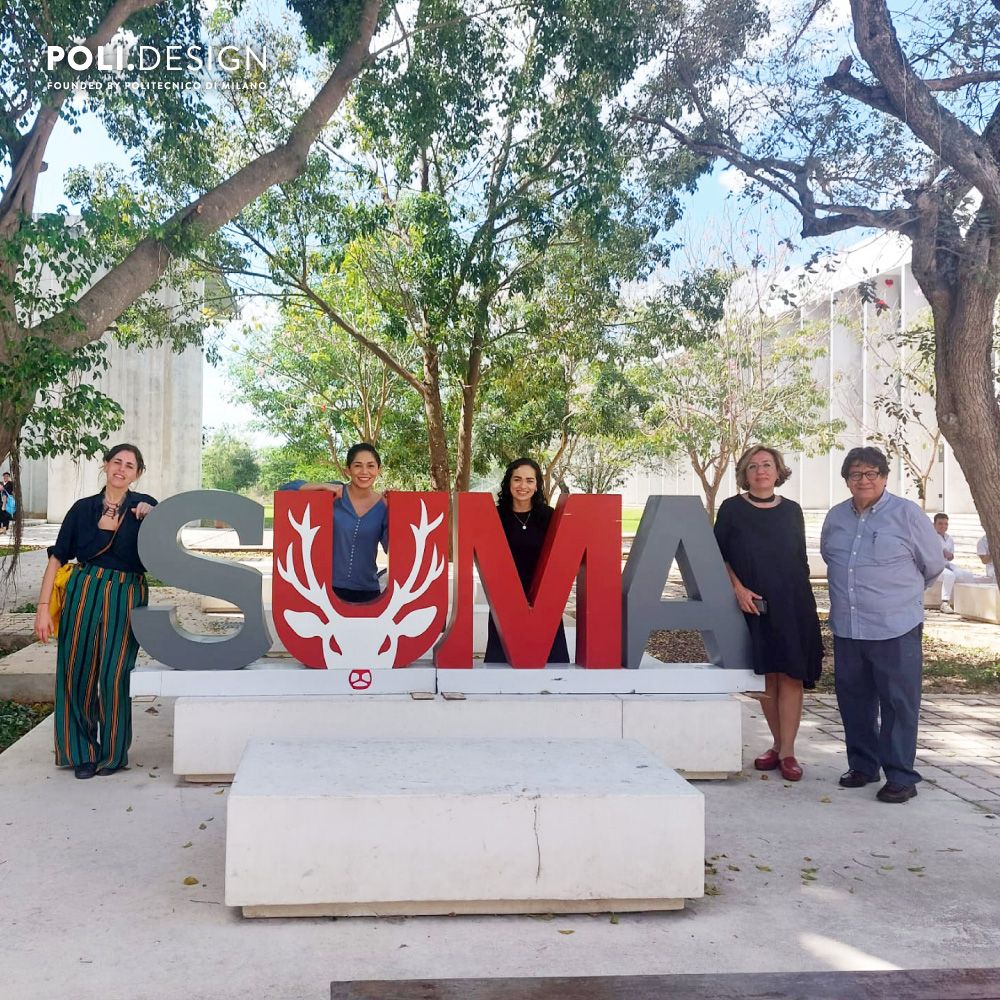
POLI.design & Universidad Marista De Mérida A.C
news
POLI.design academic partner of the Goldreed Industrial Design Award
news
The international industrial design competition interprets technological progress and social revolution from an Asian perspective, with the aim of promoting a new direction for industrial development and a new model...
POLI.design presents the exhibition Diva! Italian Glamour in Fashion Jewellery in Bahrain
news
POLI.design and LABA Douala
news
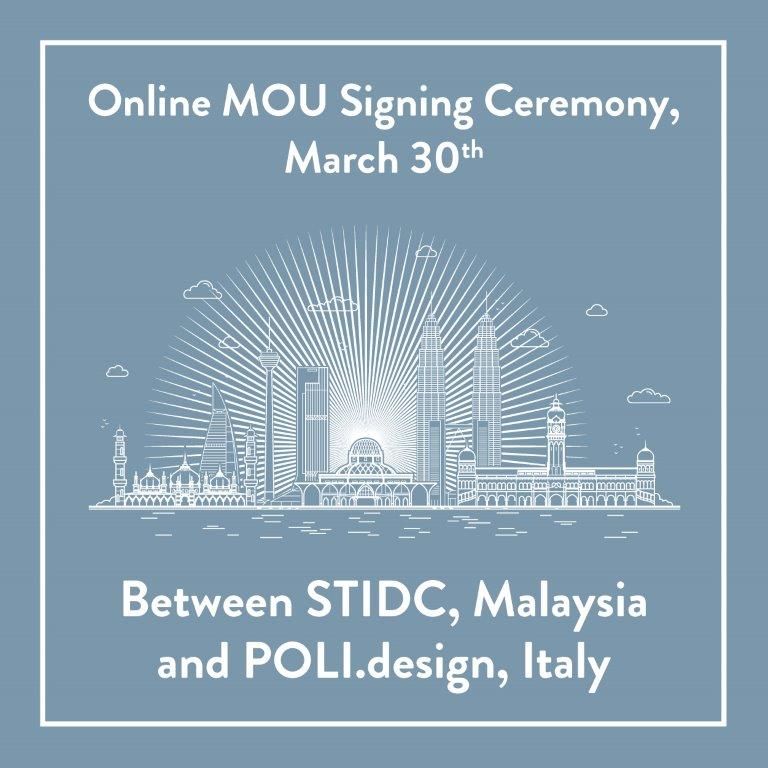
POLI.design and STIDC sign together a new project
news
The signing ceremony will take place tomorrow 30th March 2021.
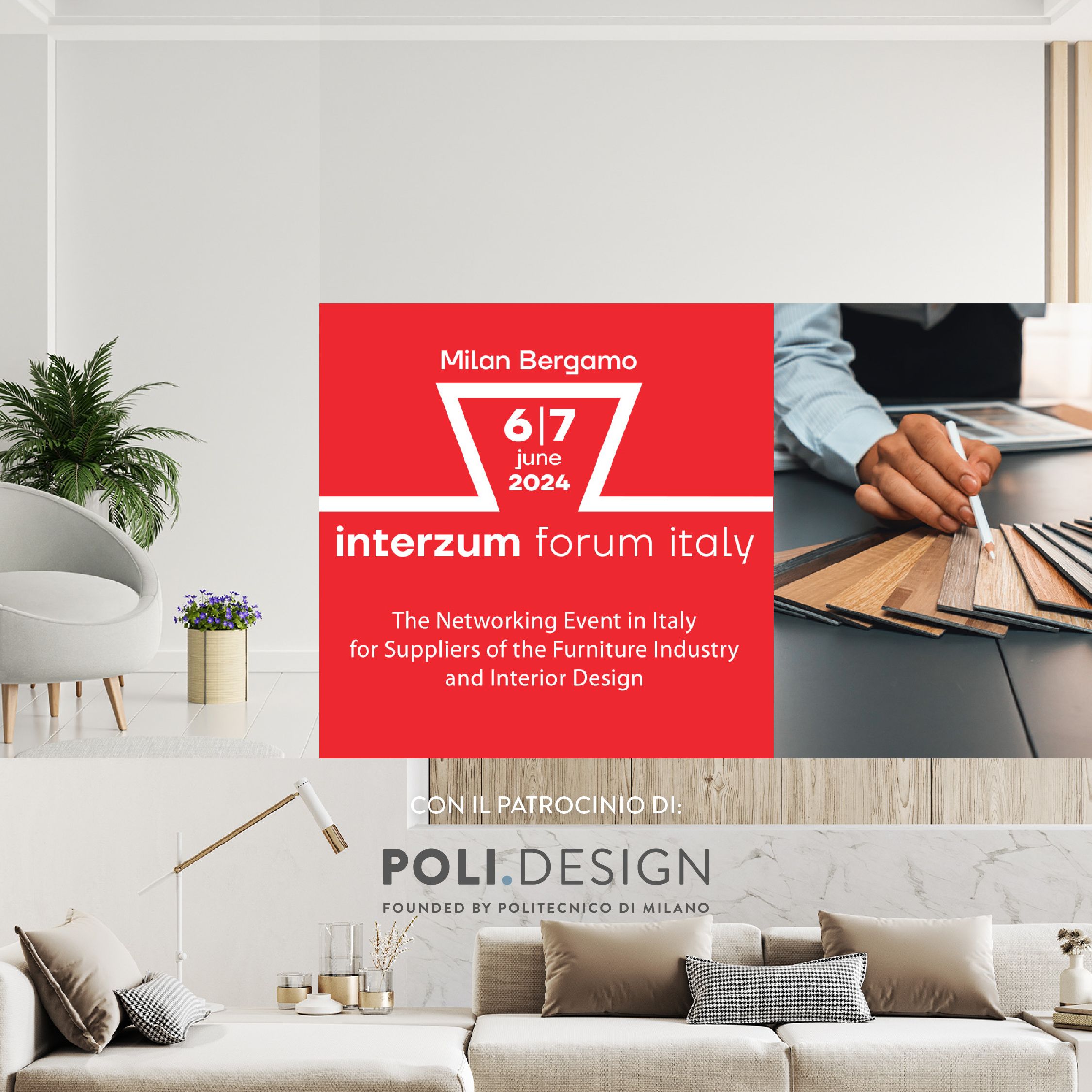
POLI.design at interzum forum italy
news
The future of surfaces for furniture elements is at the core of Koelnmesse’s international event. interzum forum italy is the new biennial event – aimed at the Italian and European markets – for furniture production and...
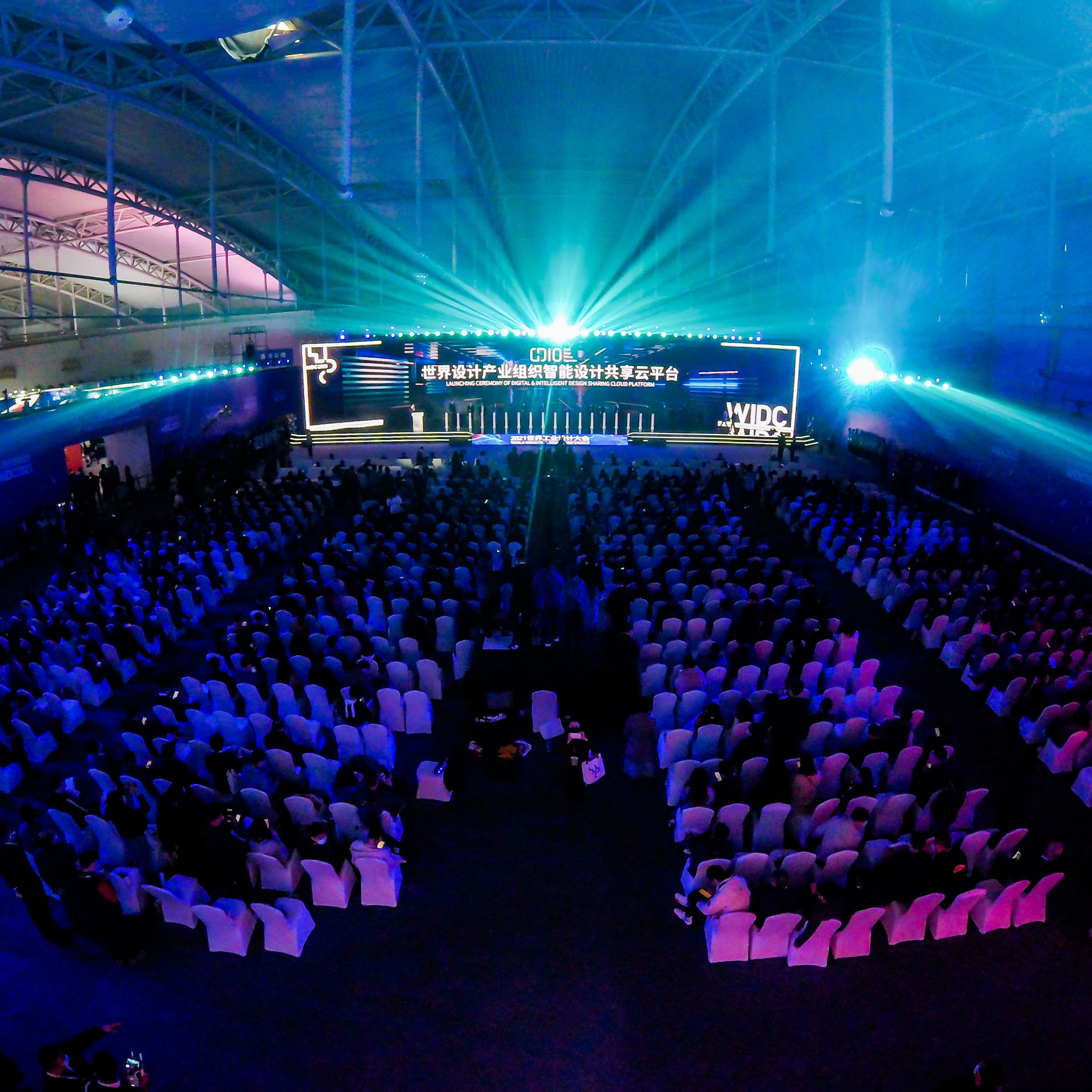
POLI.design Cooperative Partner of World Industrial Design Conference 2021
news
International industrial design conference organised by Global Design Industry Organisation (GDIO)
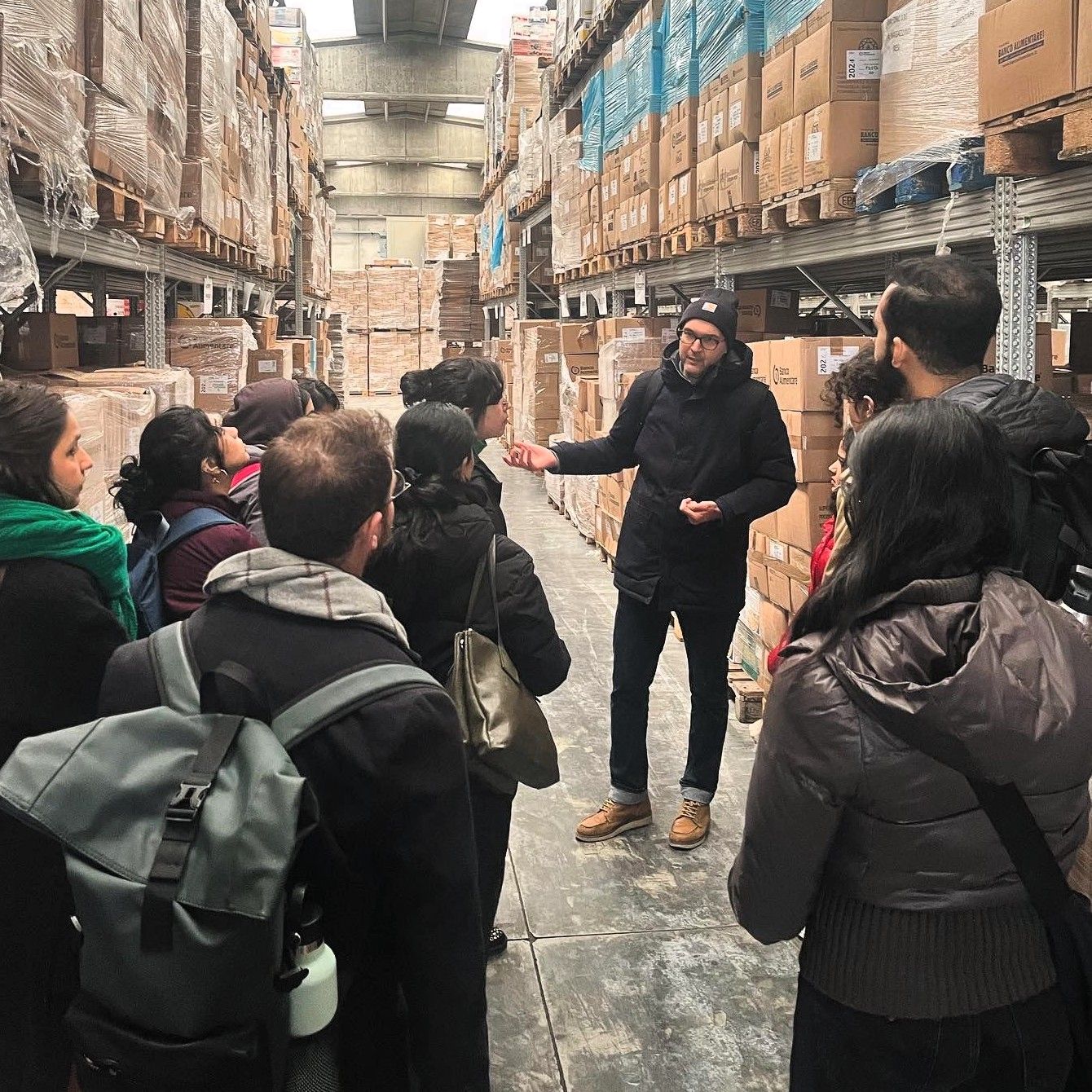
POLI.design and Banco Alimentare: the workshop
news
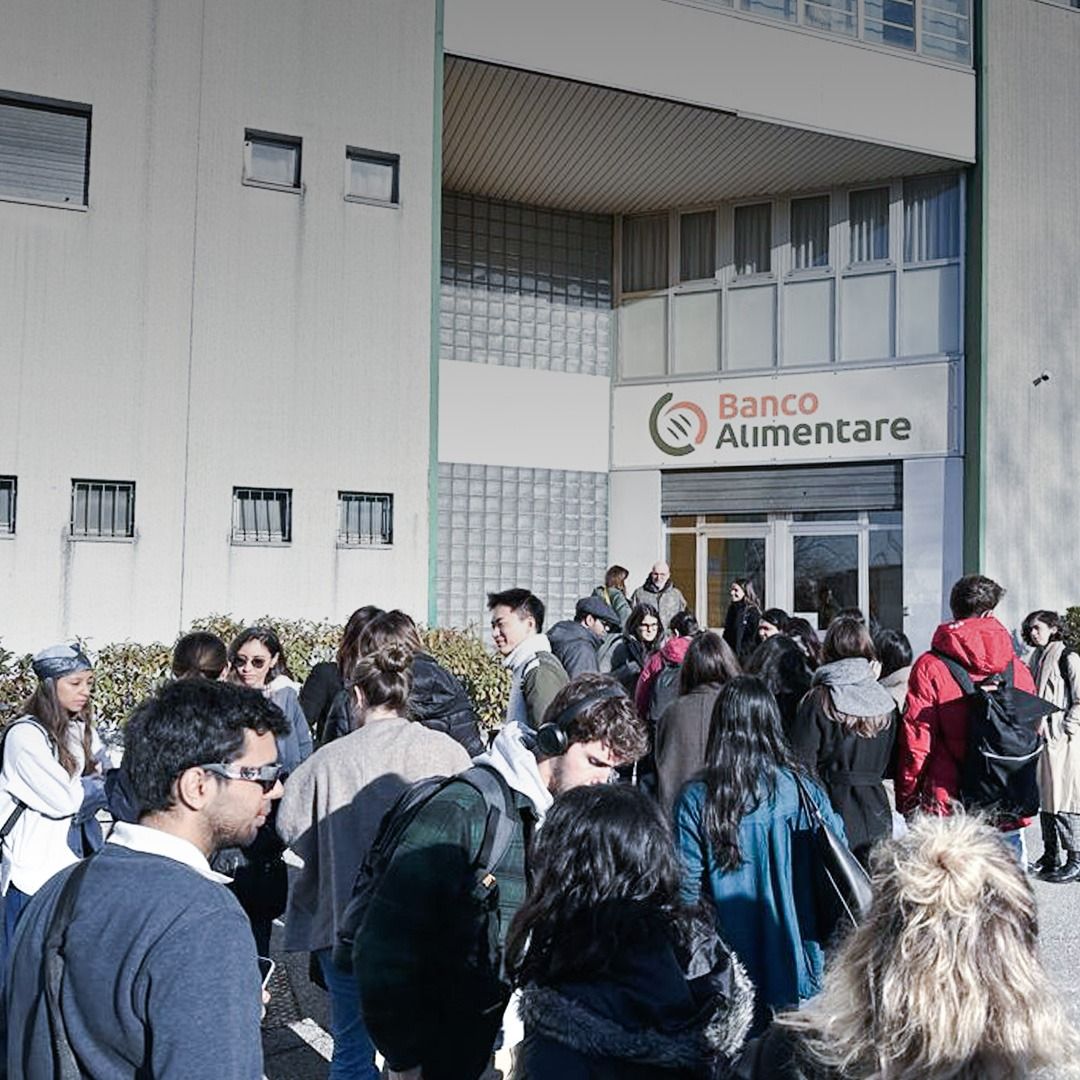
The workshop of the Specializing Master in Strategic Design: a co-design experience for the non-profit sector. An educational activity to fight food waste.
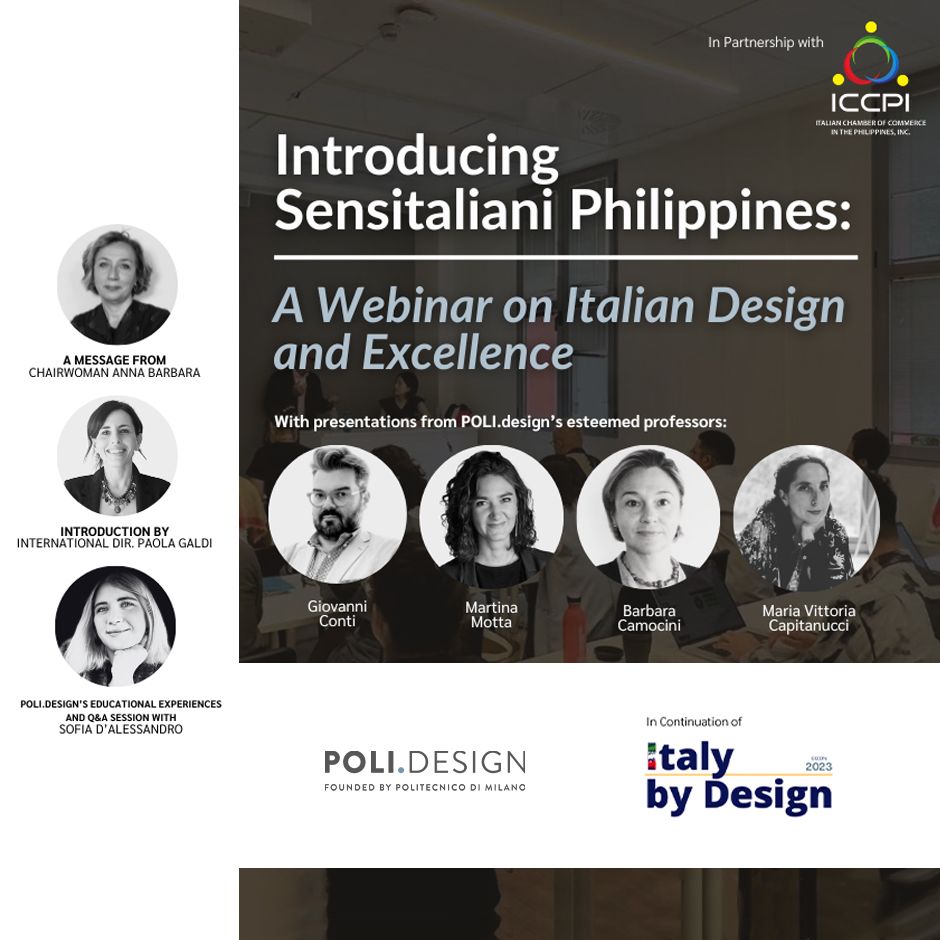
POLI.design for Philippines
news
A webinar on Italian Design and Excellence
POLI.design for the Sunbird Delegation China
news
POLI.design Graduation Day
news
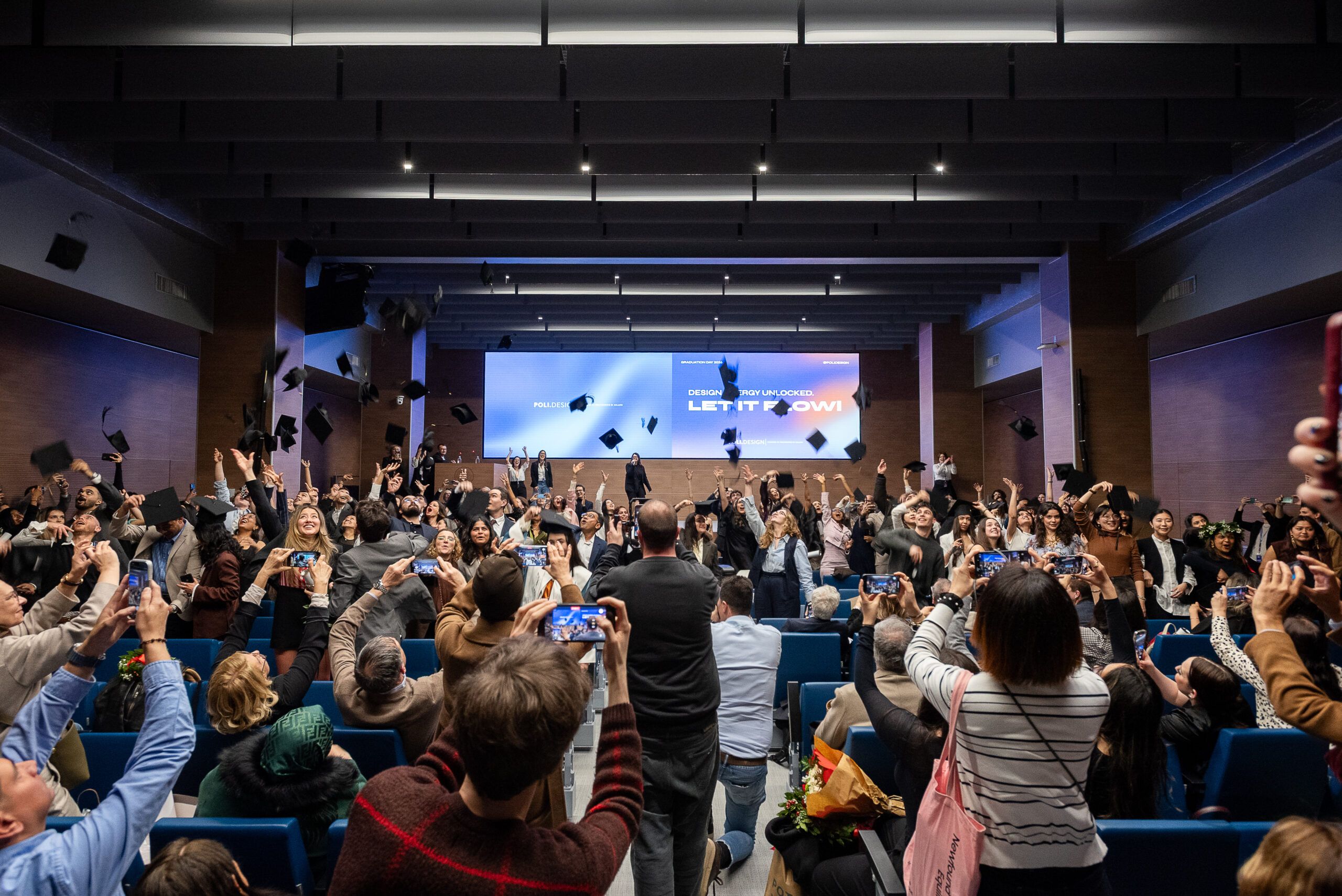
A look back at the first POLI.design Graduation Day—a milestone event that brought together students, faculty, and staff to mark the conclusion of a full year of training and design...
POLI.design institutional partner of Italian Design Icons Shanghai 2021
POLI.design voted for the new Board of Directors of WDO
news
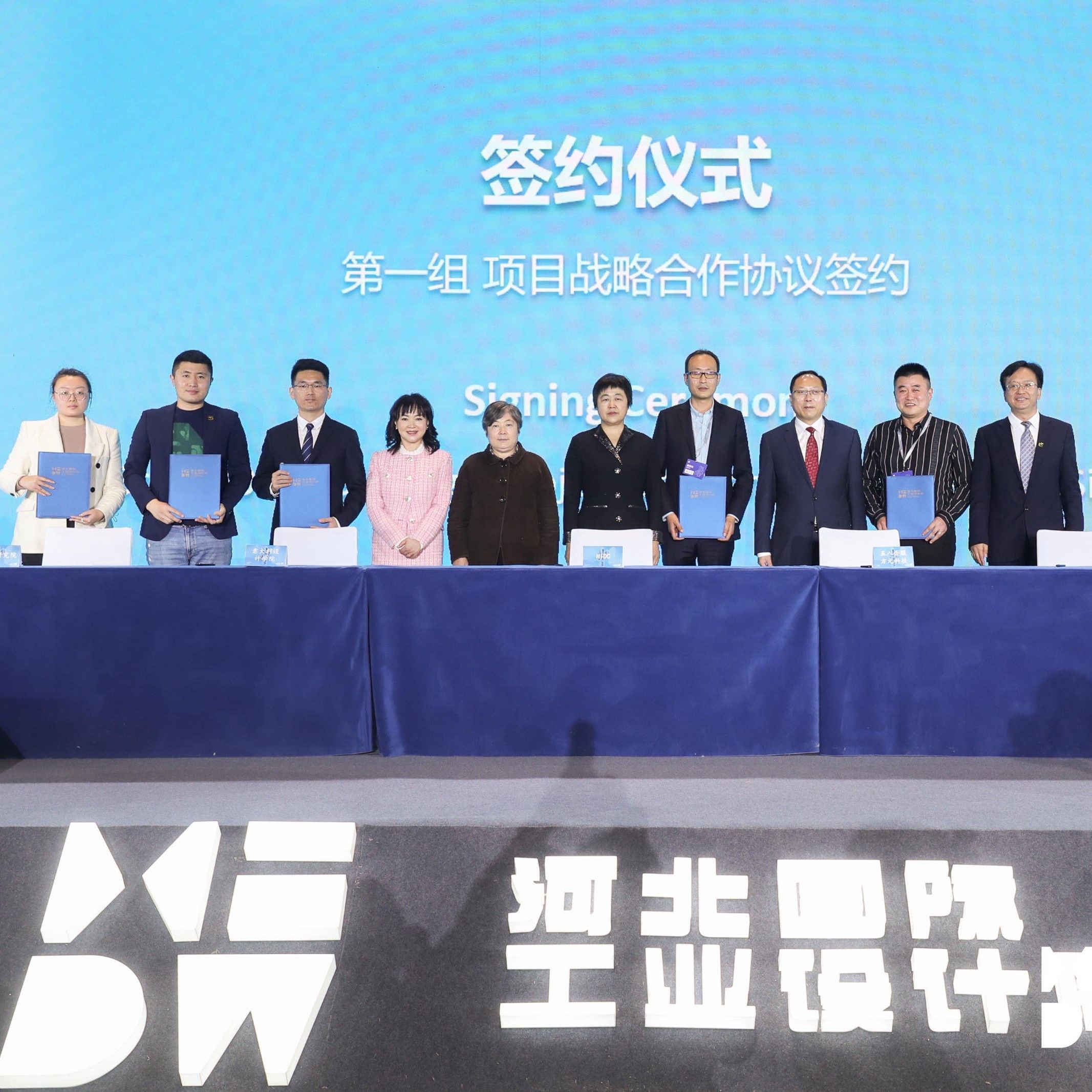
POLI.design signed two MOU with Xiongan Future Industrial Design Institute and Hebei Industrial Design Innovation Center
news
The signing cerimony too place yesterday, on October 19th 2021
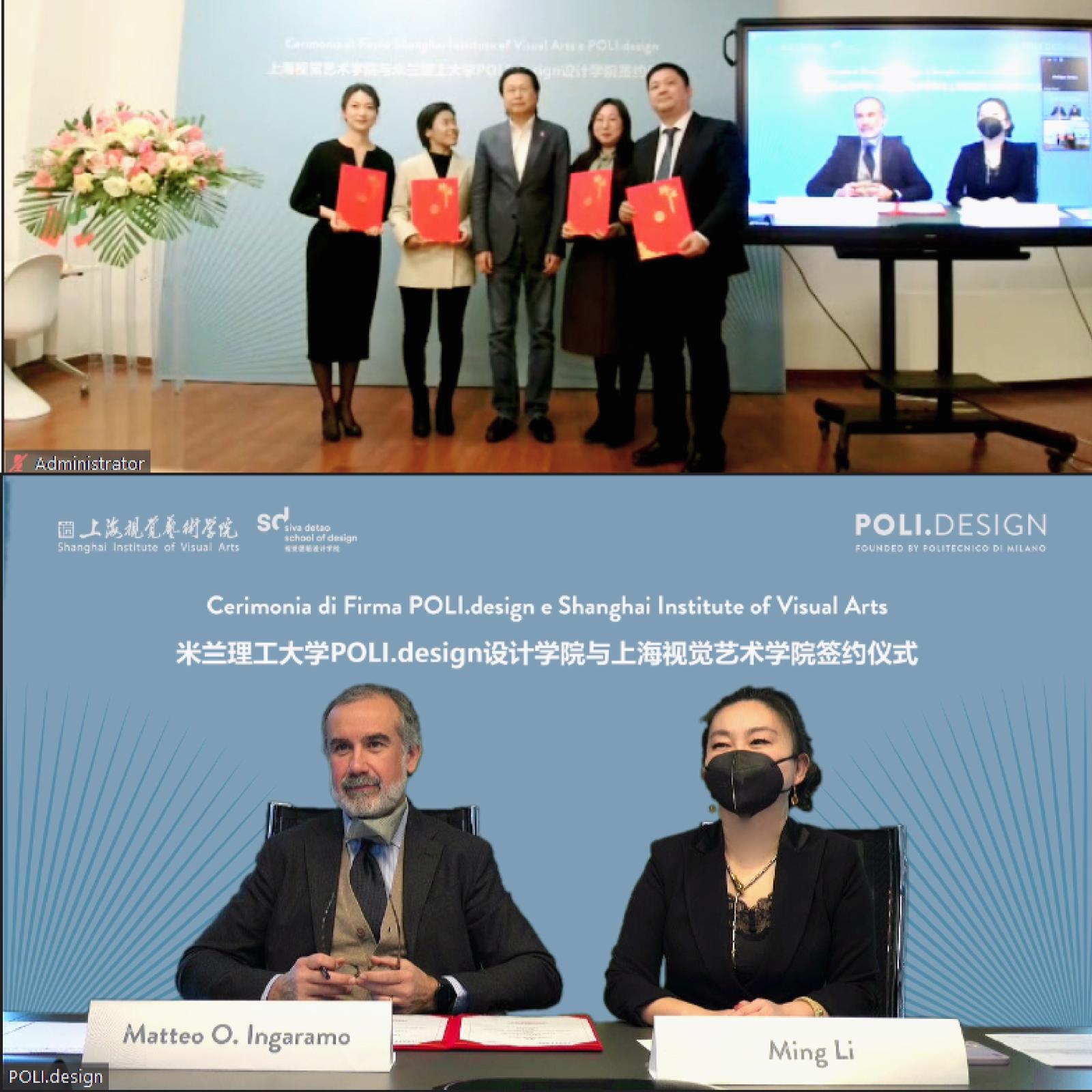
POLI.design signs the agreement with Shanghai Institute of Visual Arts and SIVA DeTao School of Design
news
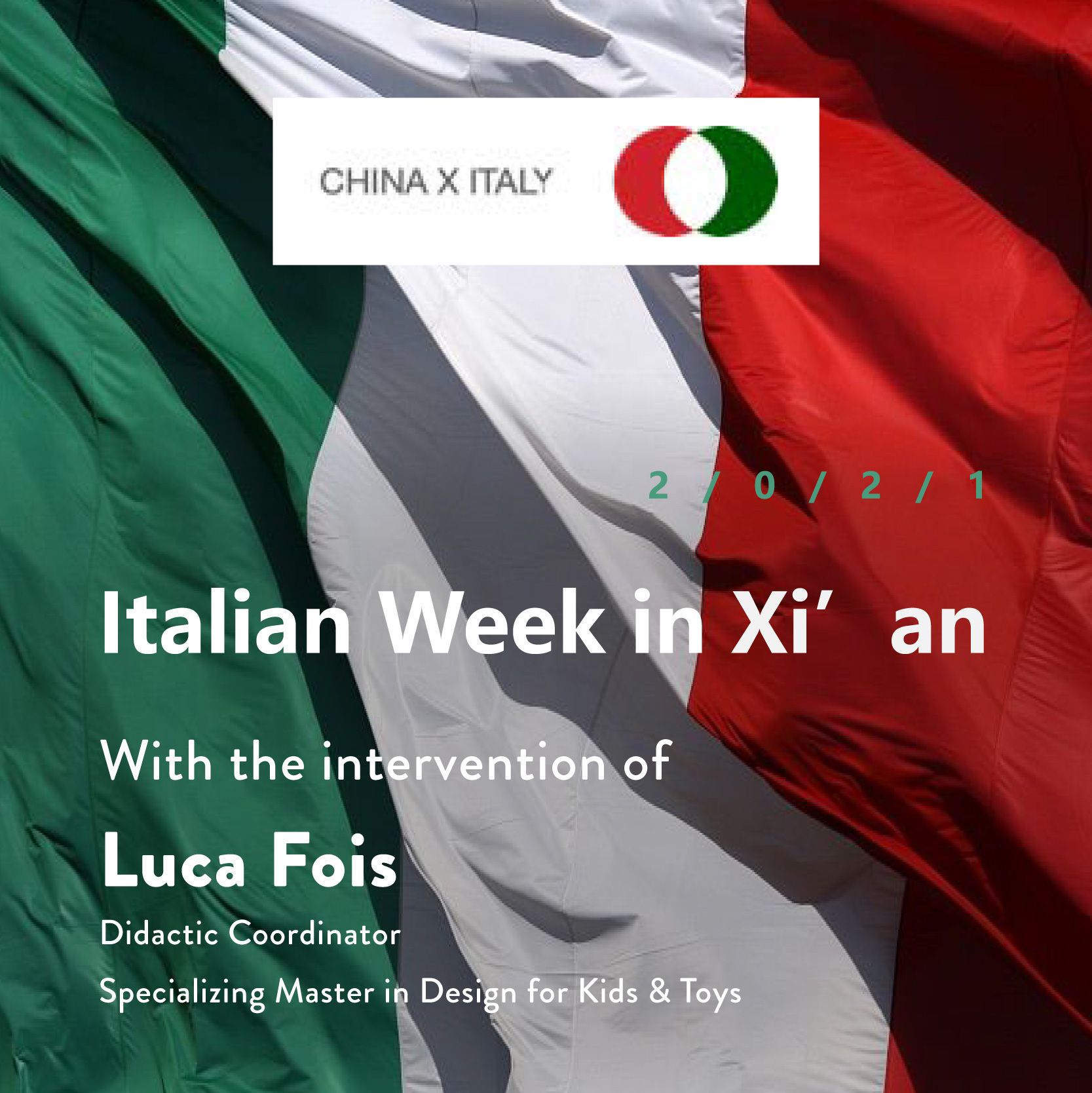
POLI.design takes part in the Italian week in Xi’ an
news
On the occasion of the Italian Week in Xi’an, which took place from April 30th to May 6th, POLI.design partecipated with a lesson held by the professor Luca Fois
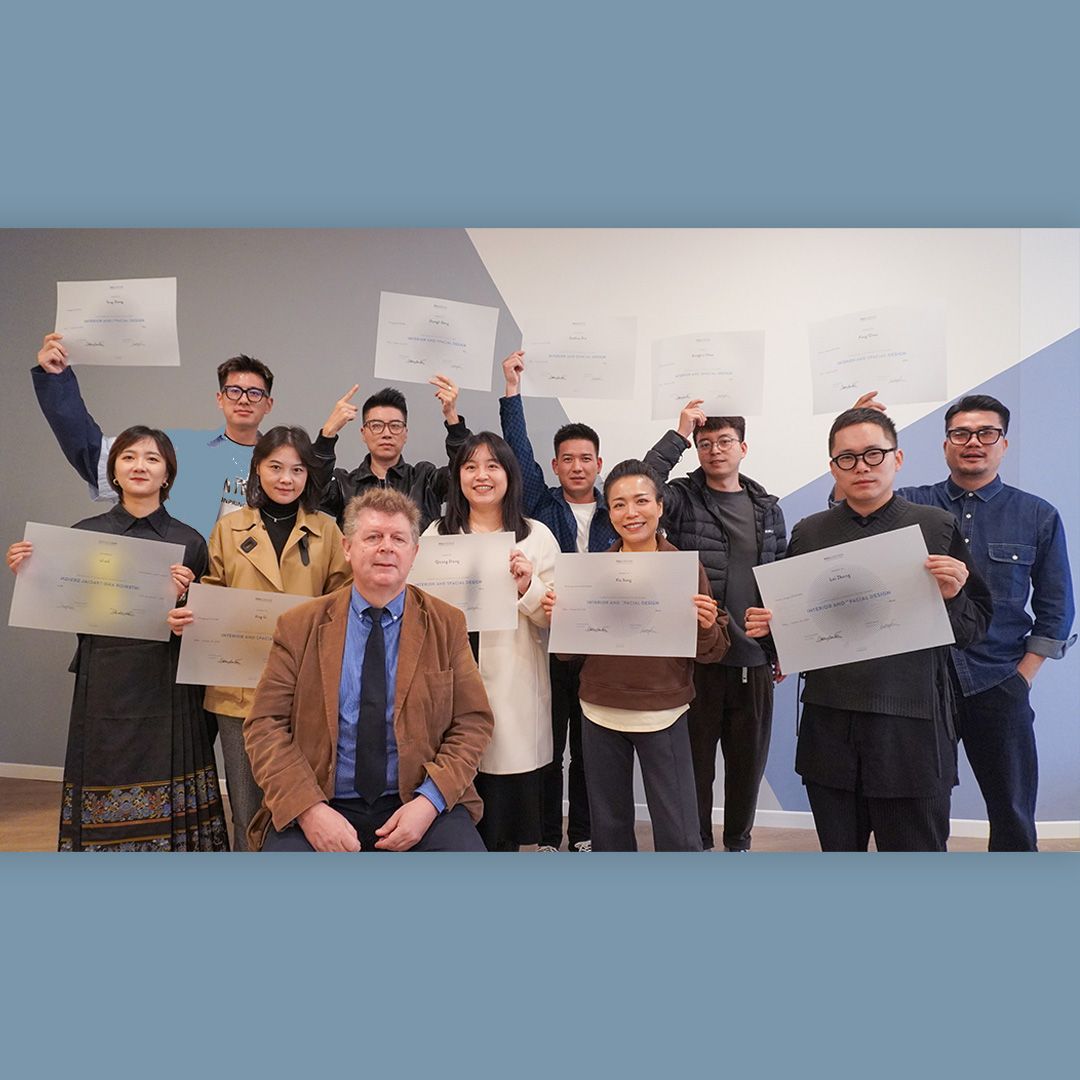
POLI.design x Ariston: a tailored learning experience
news
Here is an overview of our blended educational program. We hosted a group of experienced Chinese designers in our Bovisa Campus: an opportunity to explore the Italian way of “Interior...
Winners of the Porada International Design Award 2023
news
On March 21th, the prizing ceremony of the Porada International Design Award took place. The contest has been promoted by POLI.design and Porada Arredi Srl and sponsored by ADI Associazione...
Porada International Design Award 2025
news
Sofas take center stage in the 2025 edition of the competition by POLI.design and Porada Arredi Srl. Submit your project by January 31st, 2026.
It’s holiday time… for designers!
news
For DOT’s first holiday season we thought of involving all POLI.design students in an initiative that allows them to share new creative ideas.
SIDE - The SINO ITALIAN DESIGN DAY
news
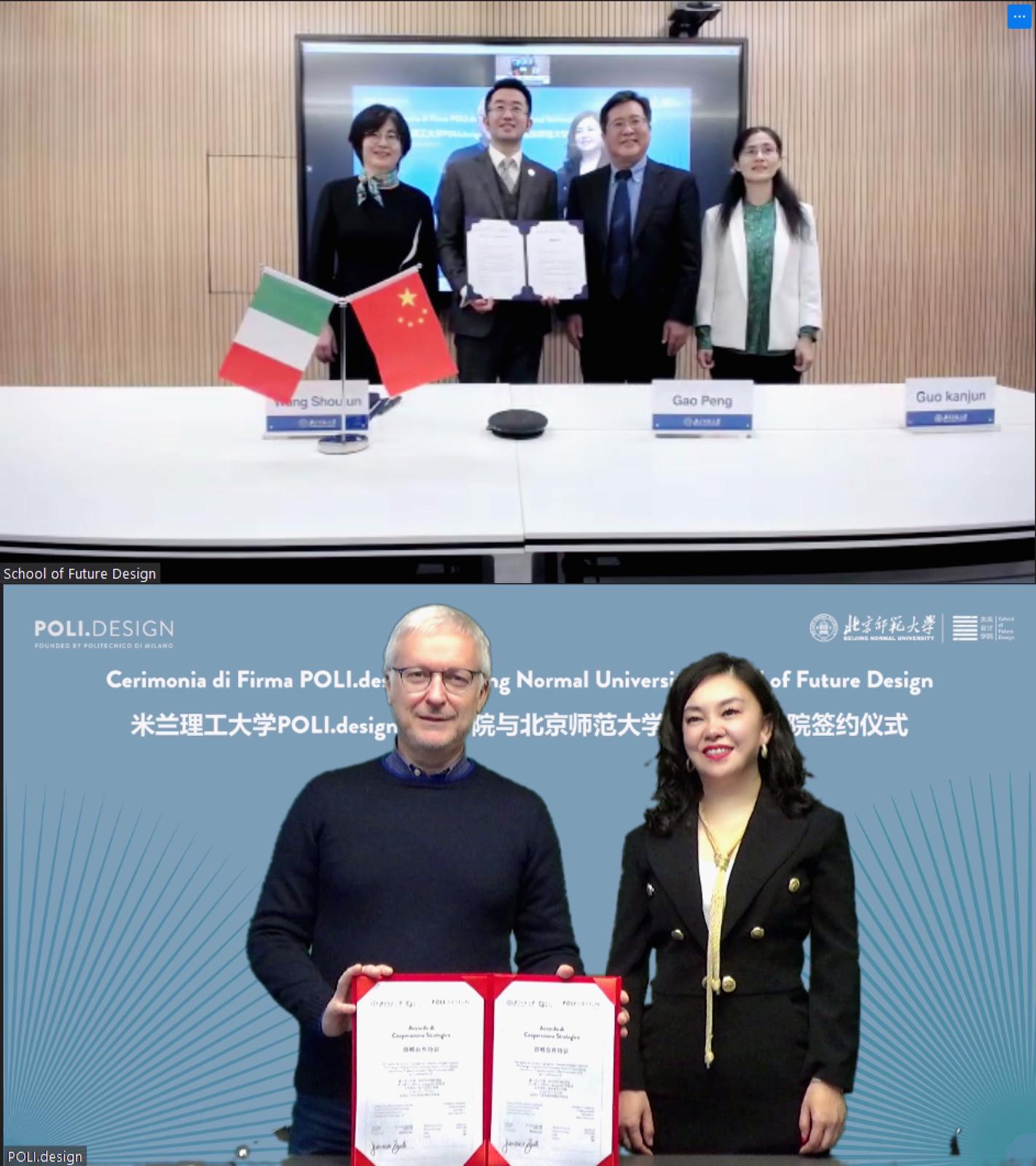
Signed the agreement between POLI.design and Beijing Normal University School of Future Design
news
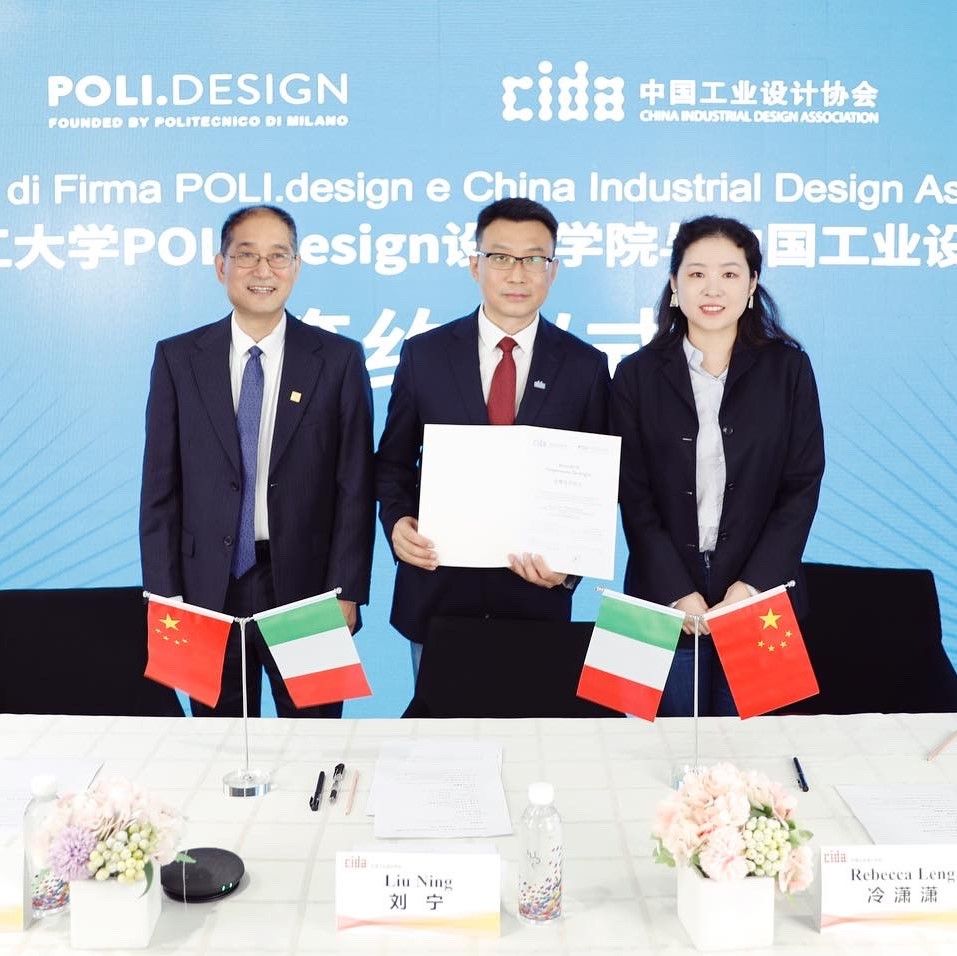
Signed the agreement between POLI.design and China Industrial Design Association (CIDA)
news
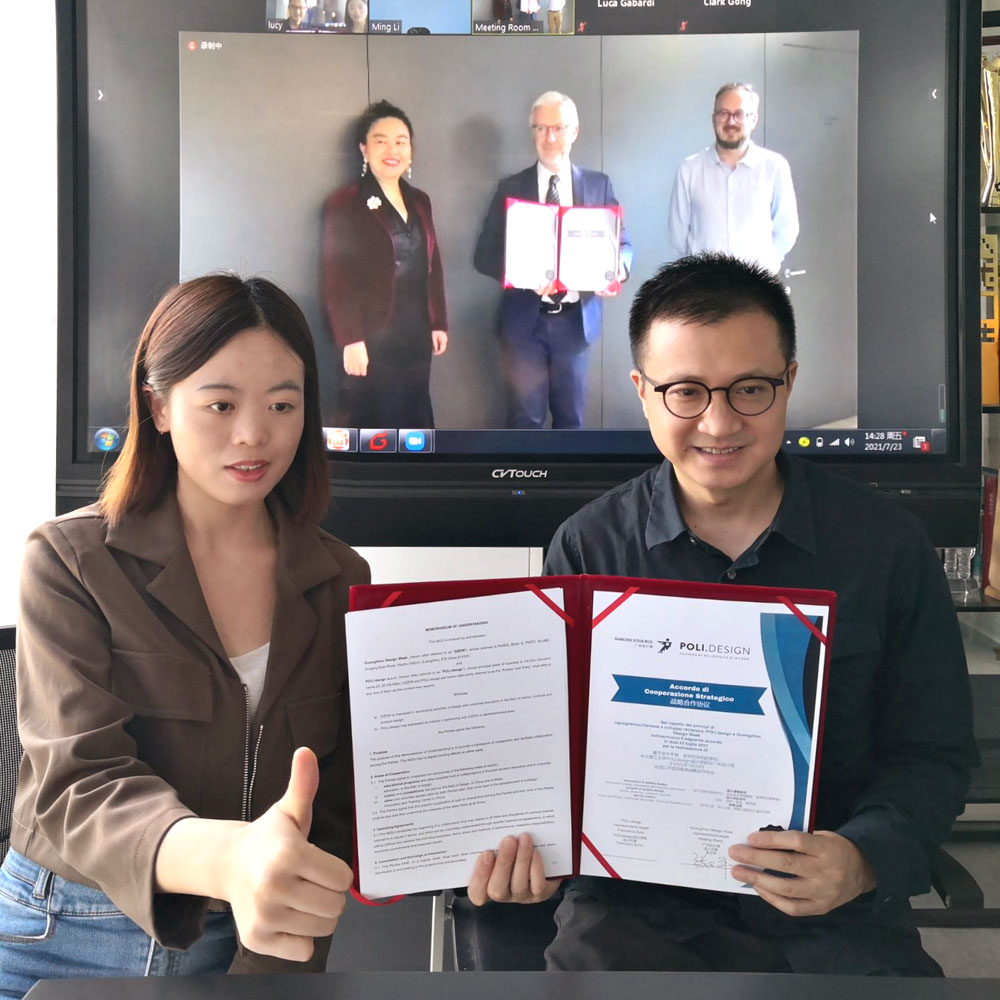
Signed the agreement between POLI.design and GUANGZHOU DESIGN WEEK
news
Signed the agreement between POLI.design and IFTF for the launch of a new Course for the design of sustainable futures
news
The collaboration will make it possible to launch the course “Designing Sustainable Futures” starting in 2022 and aimed at providing skills to build a more sustainable future and a better...
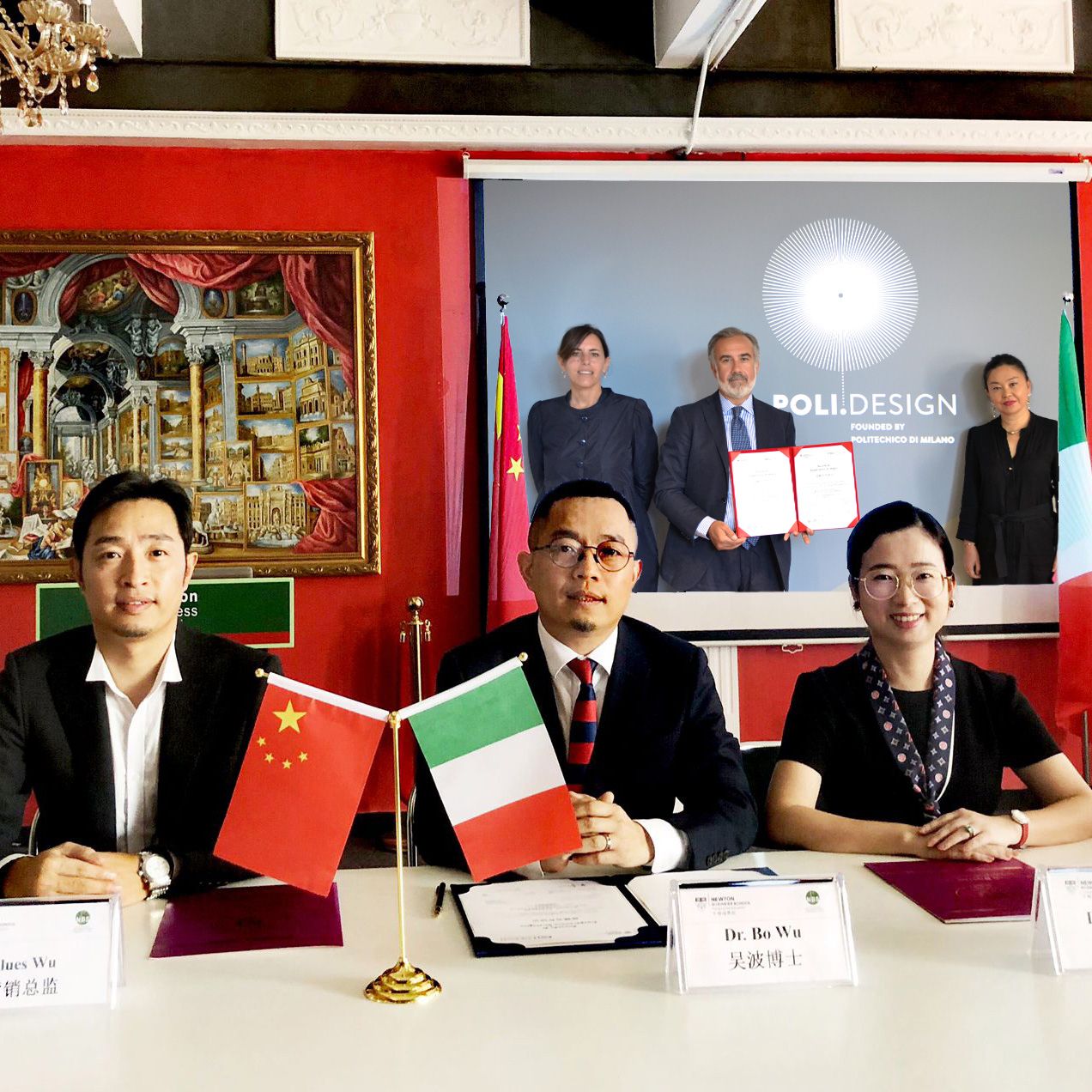
Signed the agreement between POLI.design and NEWTON BUSINESS SCHOOL
news
The signing ceremony took place on September 2, 2021.
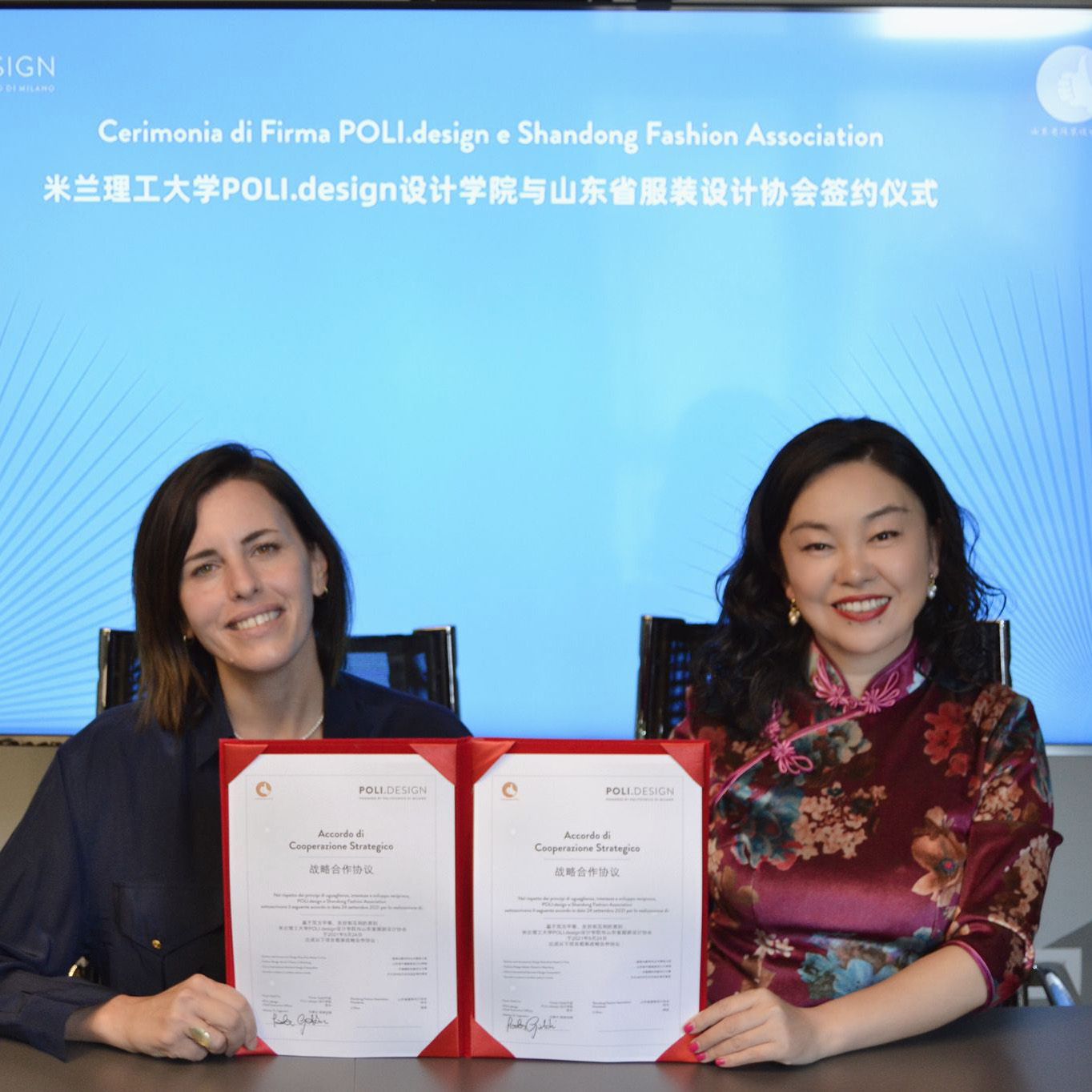
Signed the agreement between POLI.design and SHANDONG FASHION ASSOCIATION
news
Signed the agreement between POLI.design and YAOK TRAINING
news
Smart Label 2025: The Winners
news
Projects that stood out for innovation and sustainability in the Ho.Re.Ca. sector. The best products and services selected from the 107 candidates of the 2025 edition.
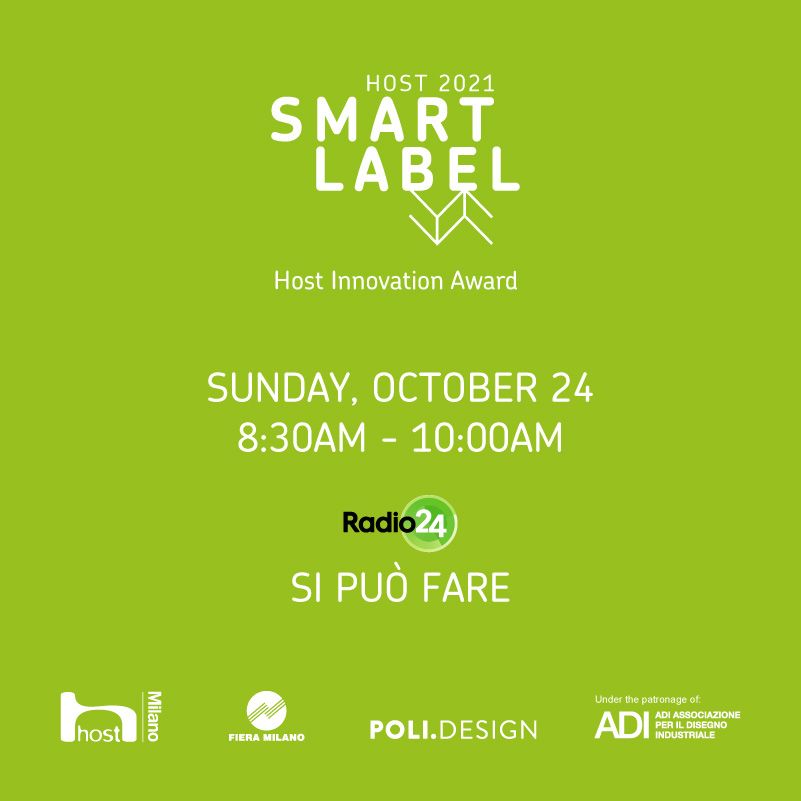
SMART Label, Host Innovation Award 2021. At "Si può fare" of Radio24 - Sole 24ORE the interview to the CEO POLI.design Matteo O. Ingaramo
news
On Sunday, October 24, 2021, from 8:30 am POLI.design CEO and Scientific Responsible of the Award Matteo O. Ingaramo will be interviewed by the journalist Laura Bettini in the historical...
Sparks of Innovation – Service Design Masterclasses
news
The 2024 edition of the masterclasses on service design. Lectures are open to students and alumni of Politecnico di Milano as well as to everyone who wants to learn more...
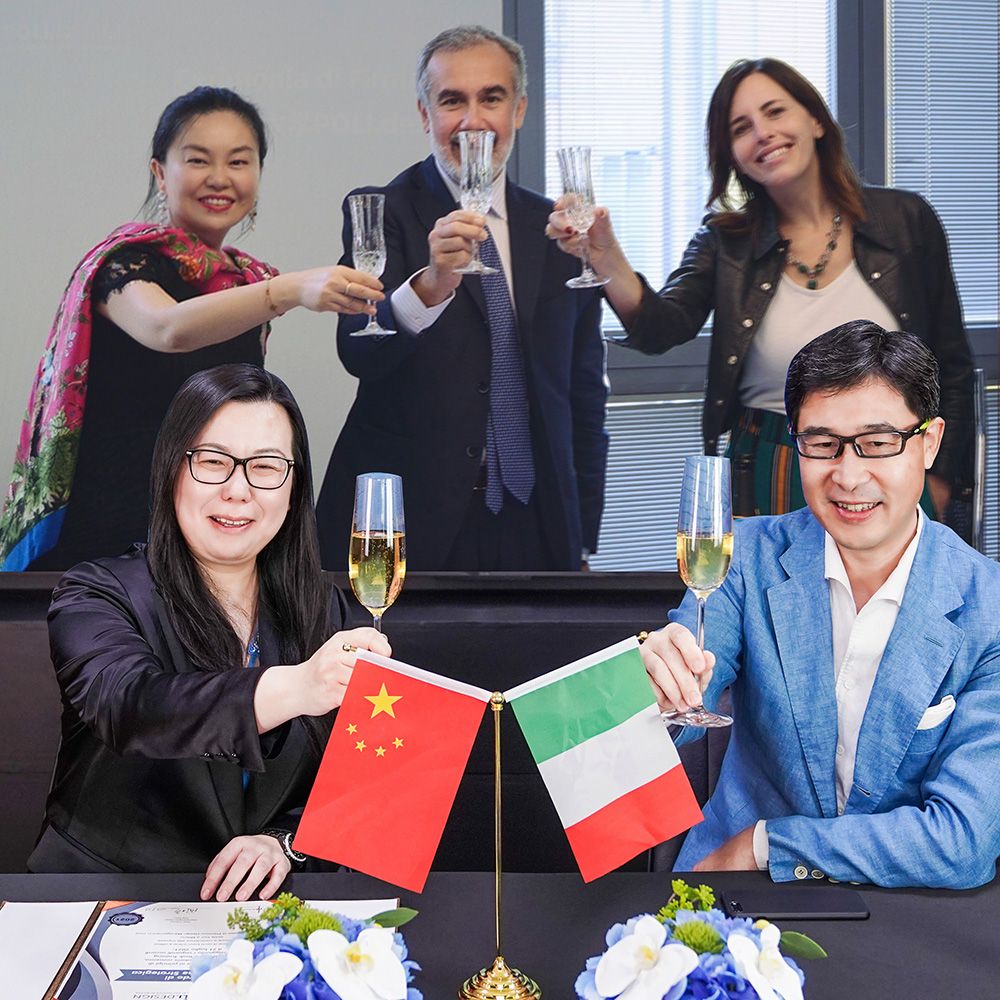
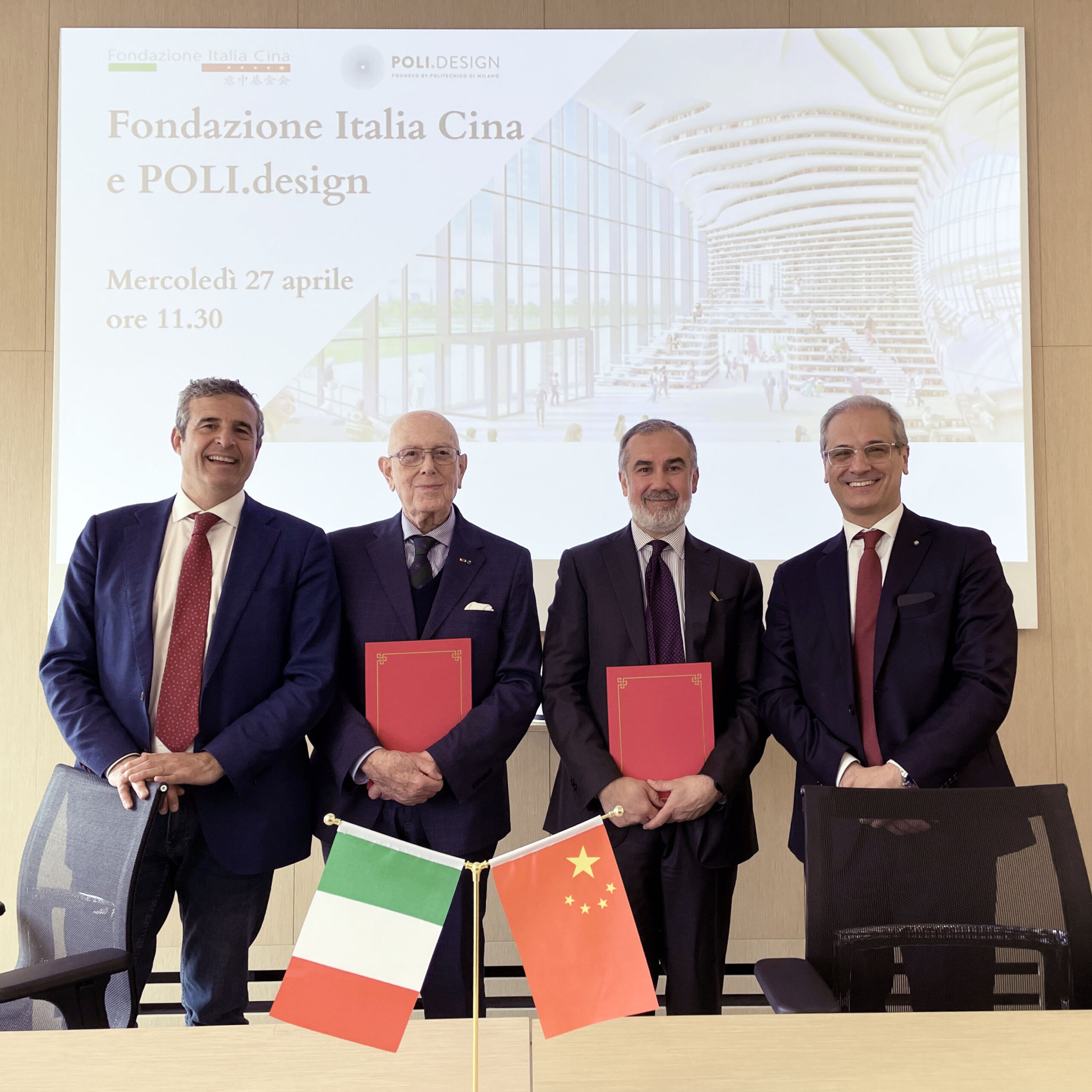
Strategic agreement between POLI.design and Fondazione Italia Cina for the promotion of the culture of Italian design in China
news
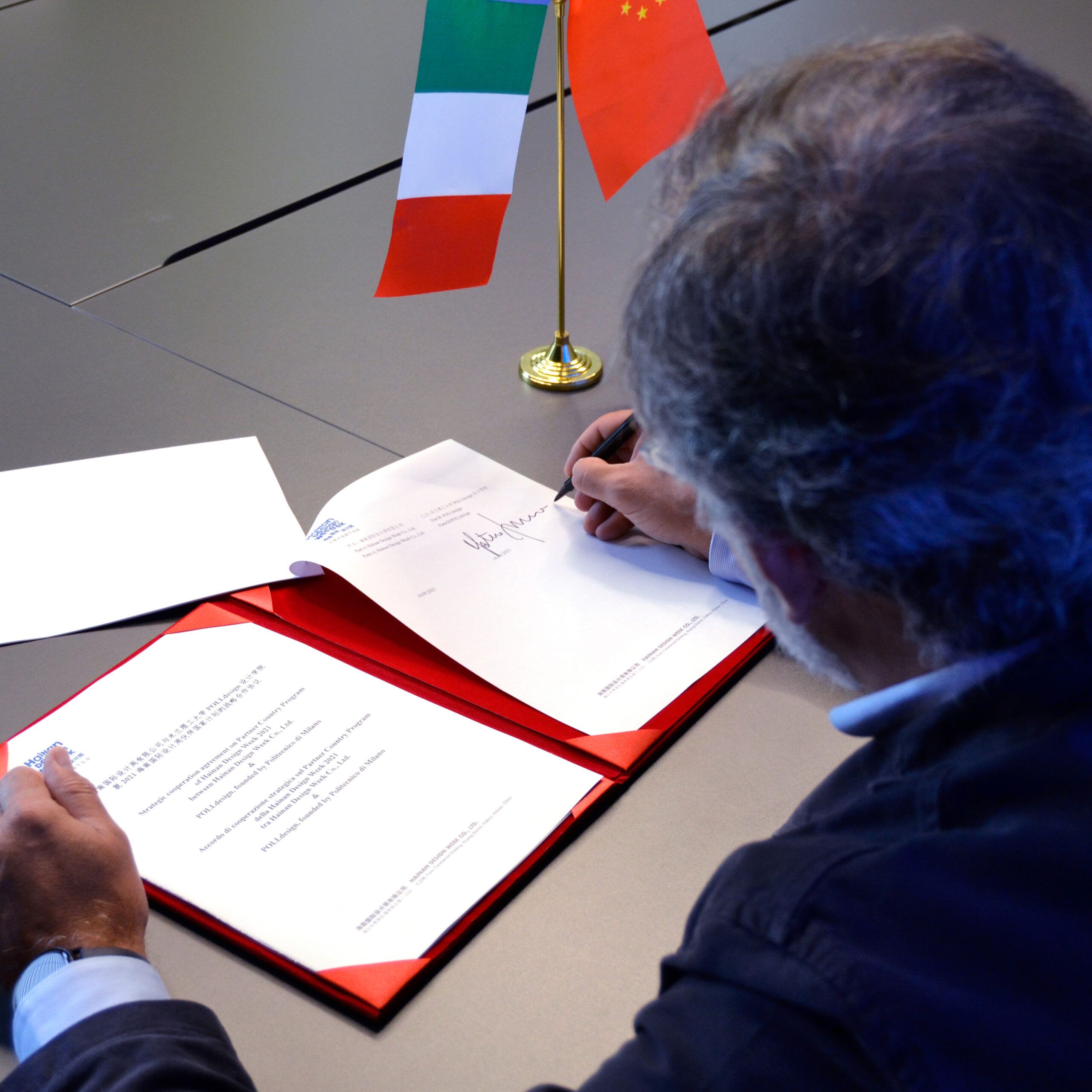
Strategic partnership between POLI.design and Hainan Design Week for the Partner Country Program of the Hainan Design Week 2021
news
Today, Thursday 16 September 2021, the ceremony for the signing of the strategic cooperation agreement between POLI.design and Hainan Design Week on the Partner Country Program of the first edition...
TAD Week from 12 to 16 July 2021
news
A live streaming graduation, the participation to the Car Design Dialogues Asia and an exhibition celebrating the projects created during the XII edition: these are the 3 main events of...
Thank you Prof. Francesco Trabucco
news
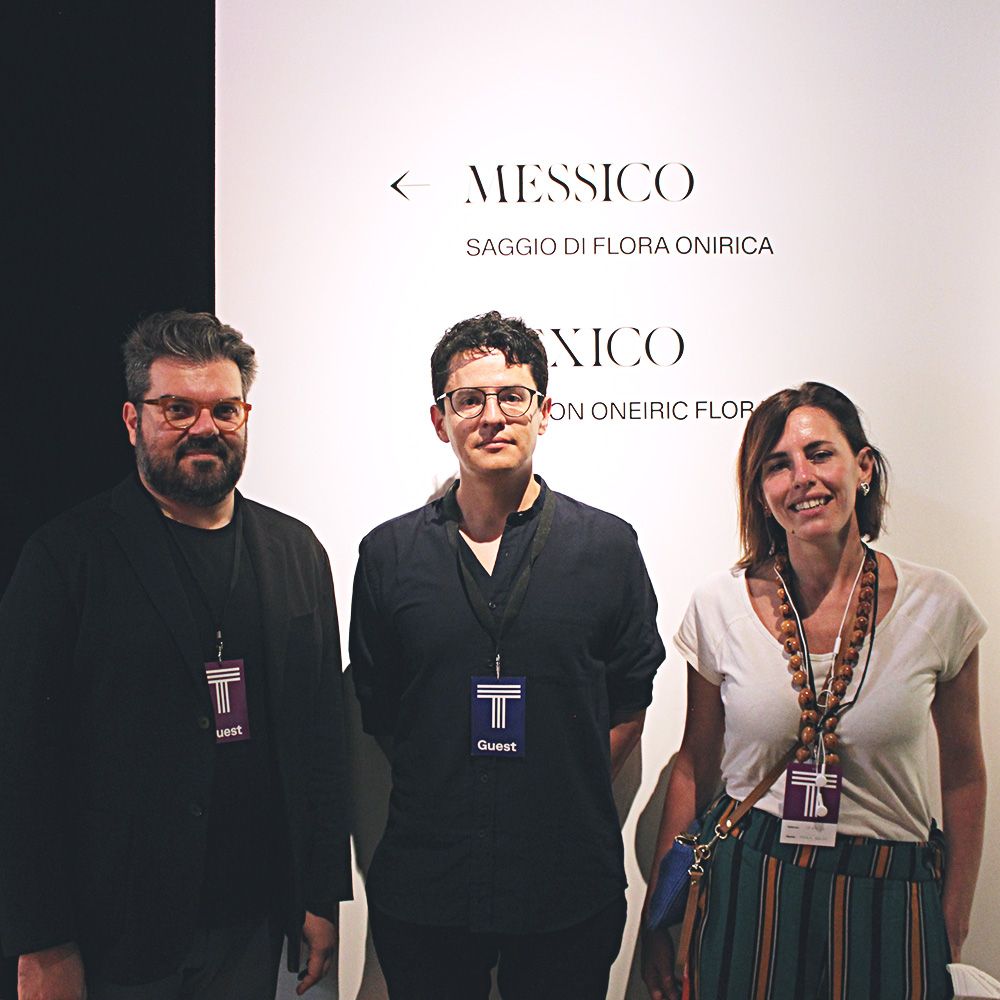
Thanks to its deep relationship with Mexico, POLI.design participates to the inauguration of the 23rd International Exhibition of Triennale Milano
news
The Design System of the Politecnico di Milano joins the GDIO Unit, Global Design Industry Organization
news
Prof. Matteo O. Ingaramo GDIO appointed as Vice President, following the approval of the “Charter of Global Design Industry”.
The new collaboration between NTT DATA, Politecnico di Milano and POLI.design
news
Politecnico di Milano and POLI.design signed a new collaboration agreement with NTT DATA, a Japanese multinational leader in IT consulting and services.
Neuroscience and Design: the open lecture
news
The presentation of the short film “What Design Can Do” will take place during the first lecture of the Executive Course in Neuroscience and Design. Don’t miss this open event...
The Summer Course with the IE School of Architecture & Design
news
POLI.design Campus will host students from the IE School of Architecture & Design. At the end of June, the first Design Immersion Summer Course will kick off, a program resulting...
The workshop by POLI.design and Banco Alimentare
news
For the second year in a row, students of the Specializing Master in Strategic Design will take part in an educational experience entirely dedicated to the non-profit field.
Un Panettone Fatto per Bene
news
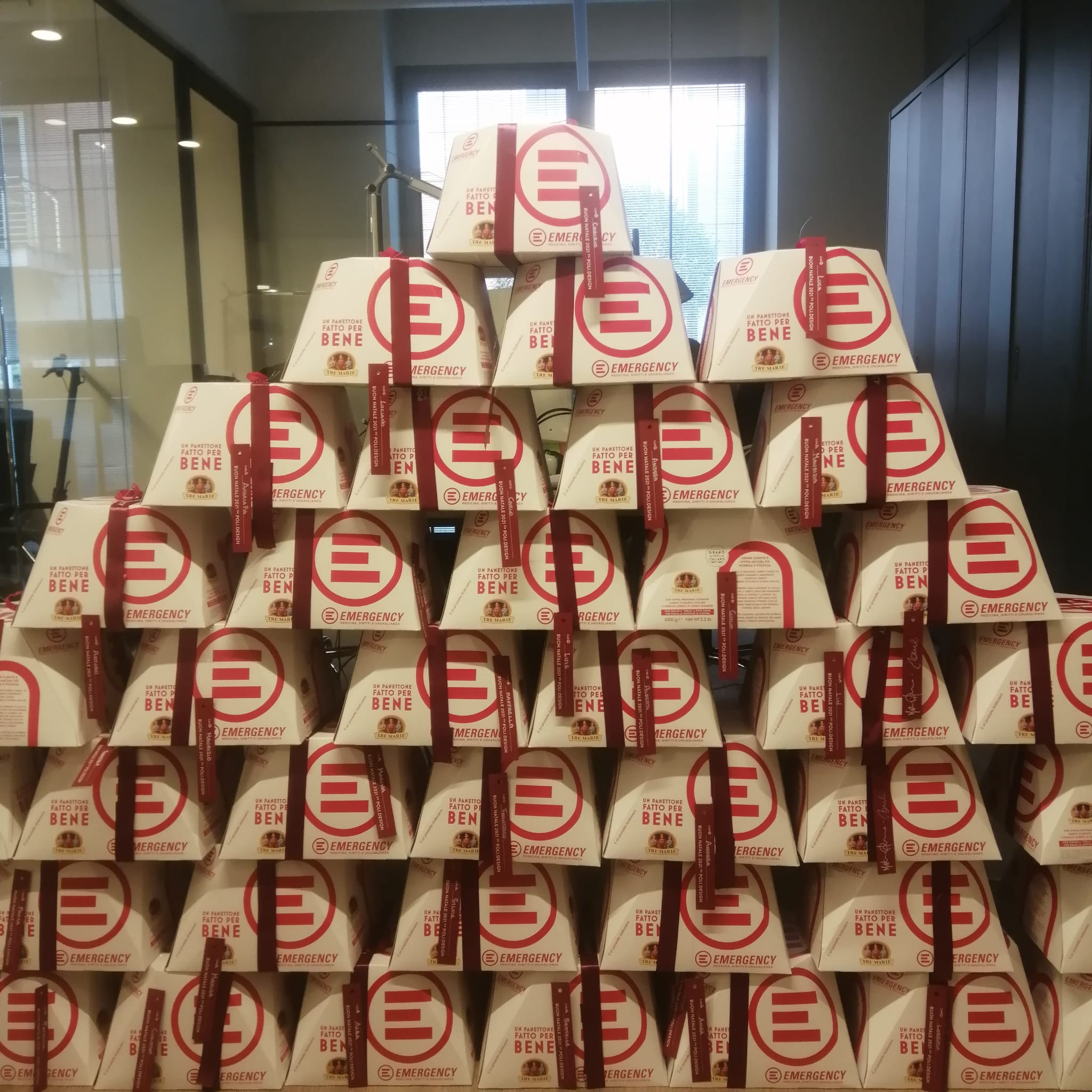
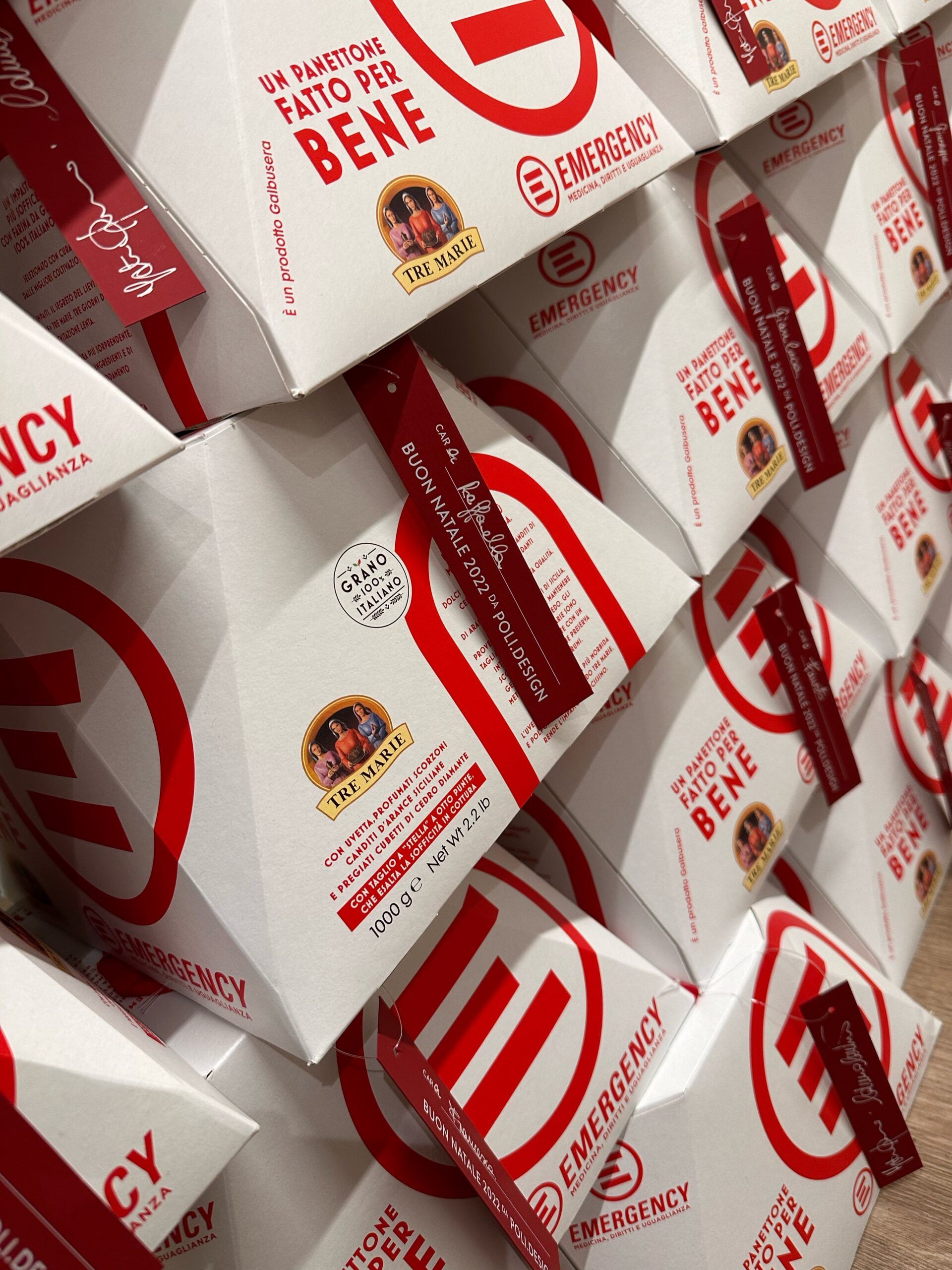
POLI.design in support of EMERGENCY NGO Onlus
UNI 12001 recognizes the role of the designer
news
POLI.design contributed to the new standard that defines the expertise, skills, and competencies required of design professionals.
Unlock Your Christmas Energy!
news
VANS by POLIMI DESIGN SYSTEM
news
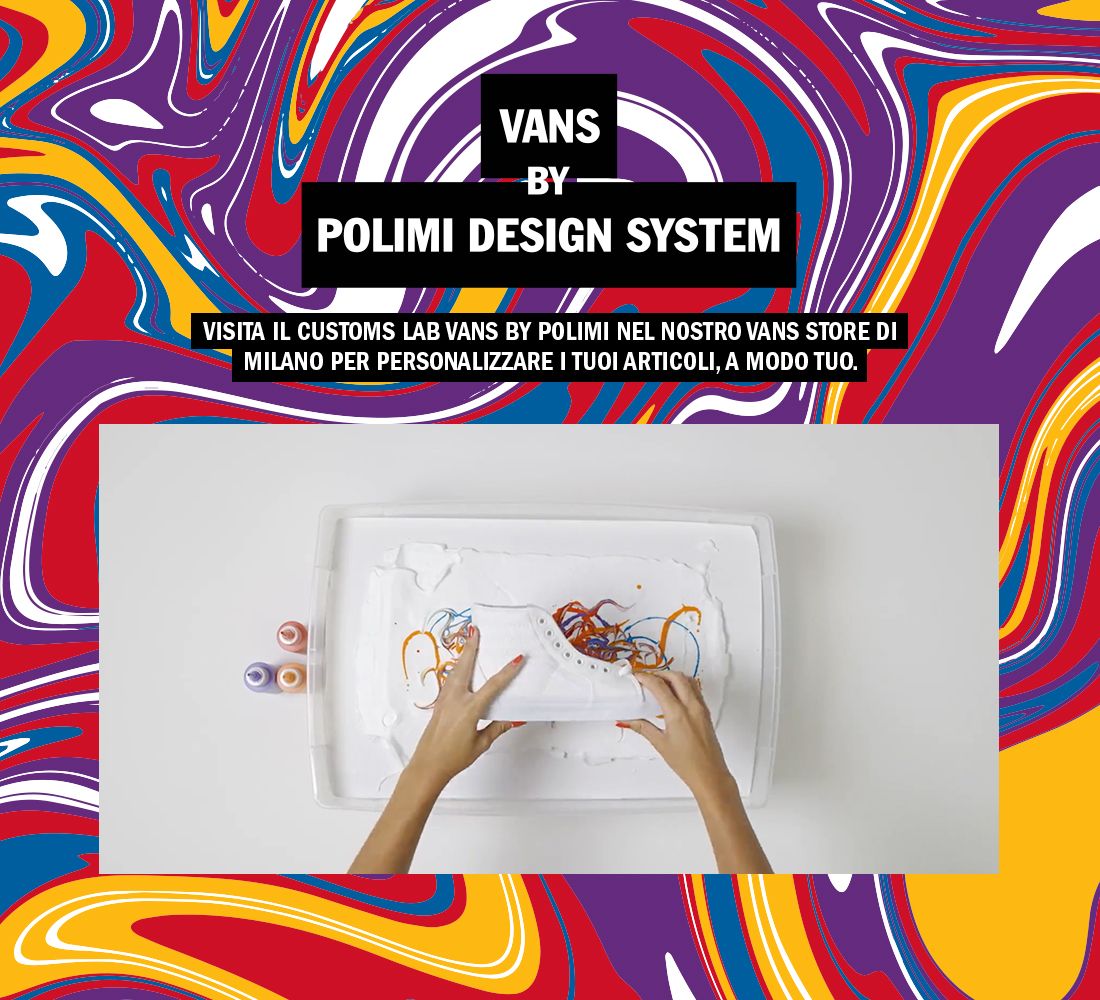
The project is dedicated to the customization of VANS products and also includes experimental workshops at the VANS Customs Lab in Milan, open to the public with the active supervision...
Webinar Sustainability and Human Hospitality
news
WINE CULTURE and DESIGN
news
A unique opportunity to discover more about Italian oenology: WINE CULTURE and DESIGN is an innovative program set in Castello di Meleto in Gaiole in Chianti (Tuscany). POLI.design provides a...
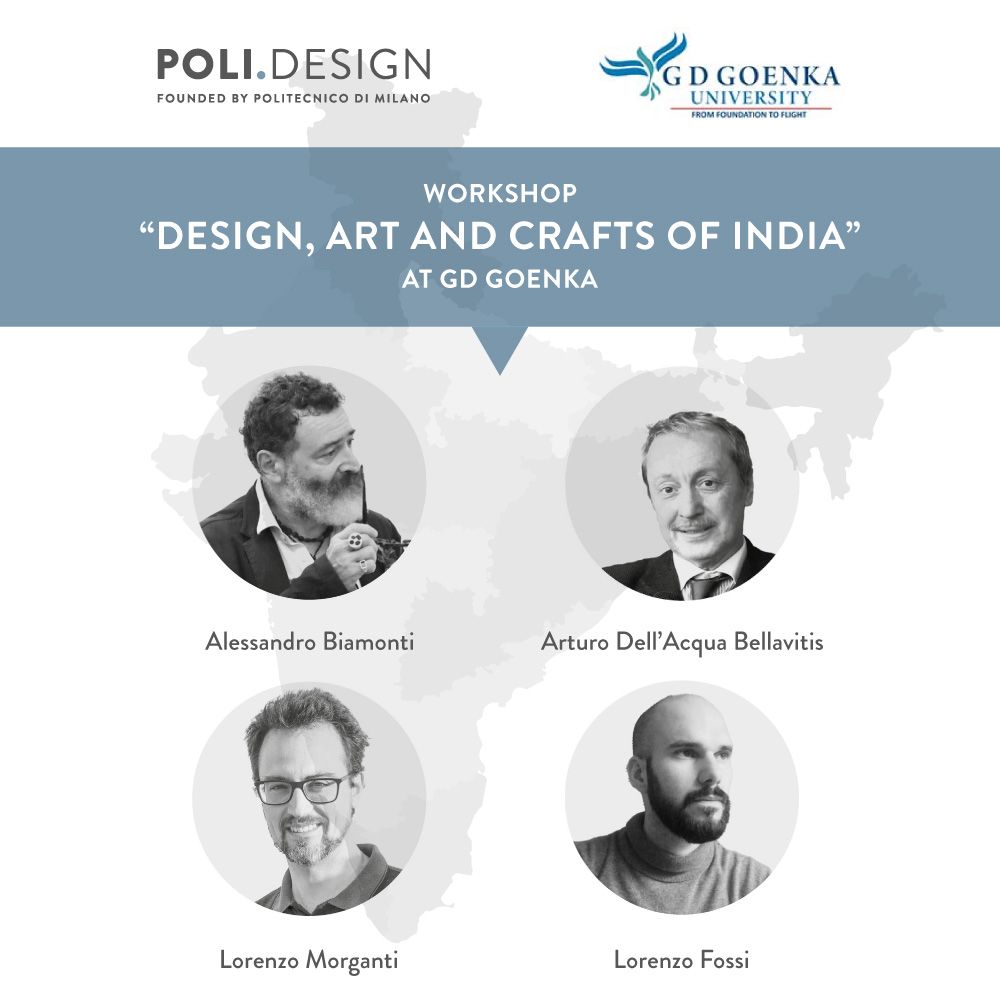
Workshop “Design, Art and Crafts of India” at GD Goenka
news
Yacht Design Alumni stories
news
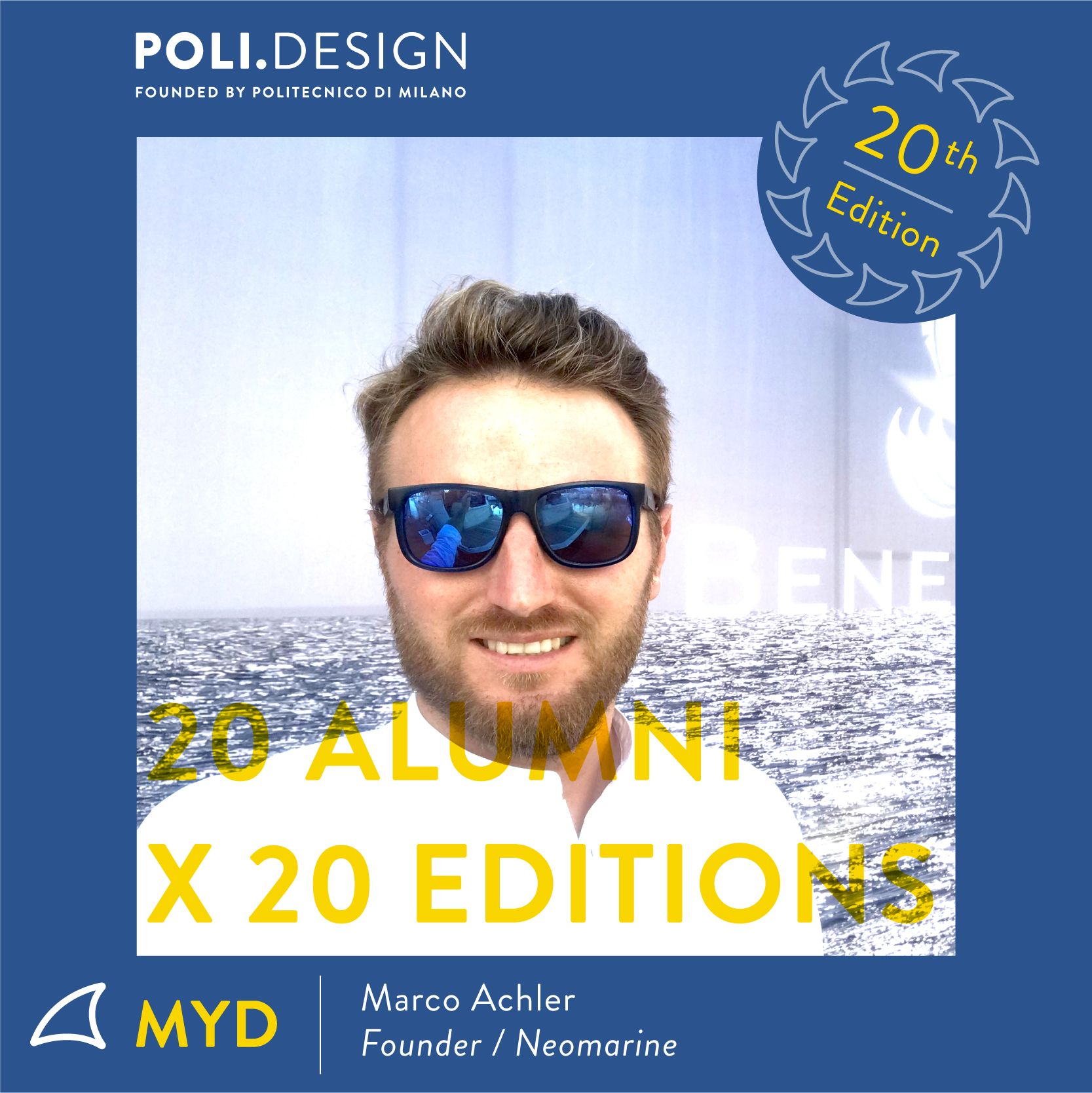
Marco Achler, student of the IX edition of the Specializing Master and today founder and owner of the Neomarine boatyard and co-founder of the Greek charter company Kefalonia Blu.
Yacht Design Alumni stories
news
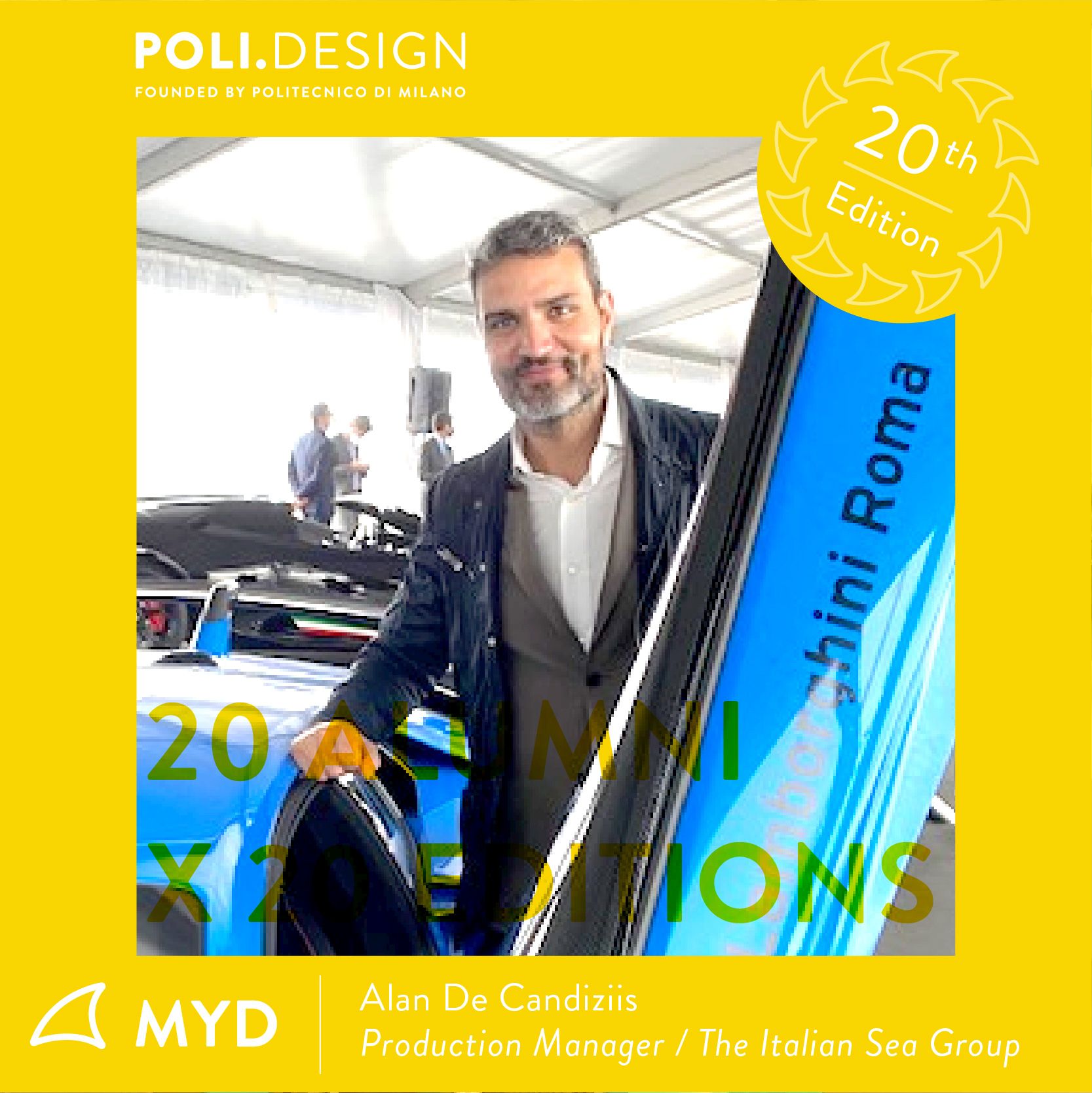
Alan De Candiziis, student of the V edition of the Specializing Master and today Production Manager at The Italian Sea Group tells us about his experience.
Yacht Design Alumni stories
news
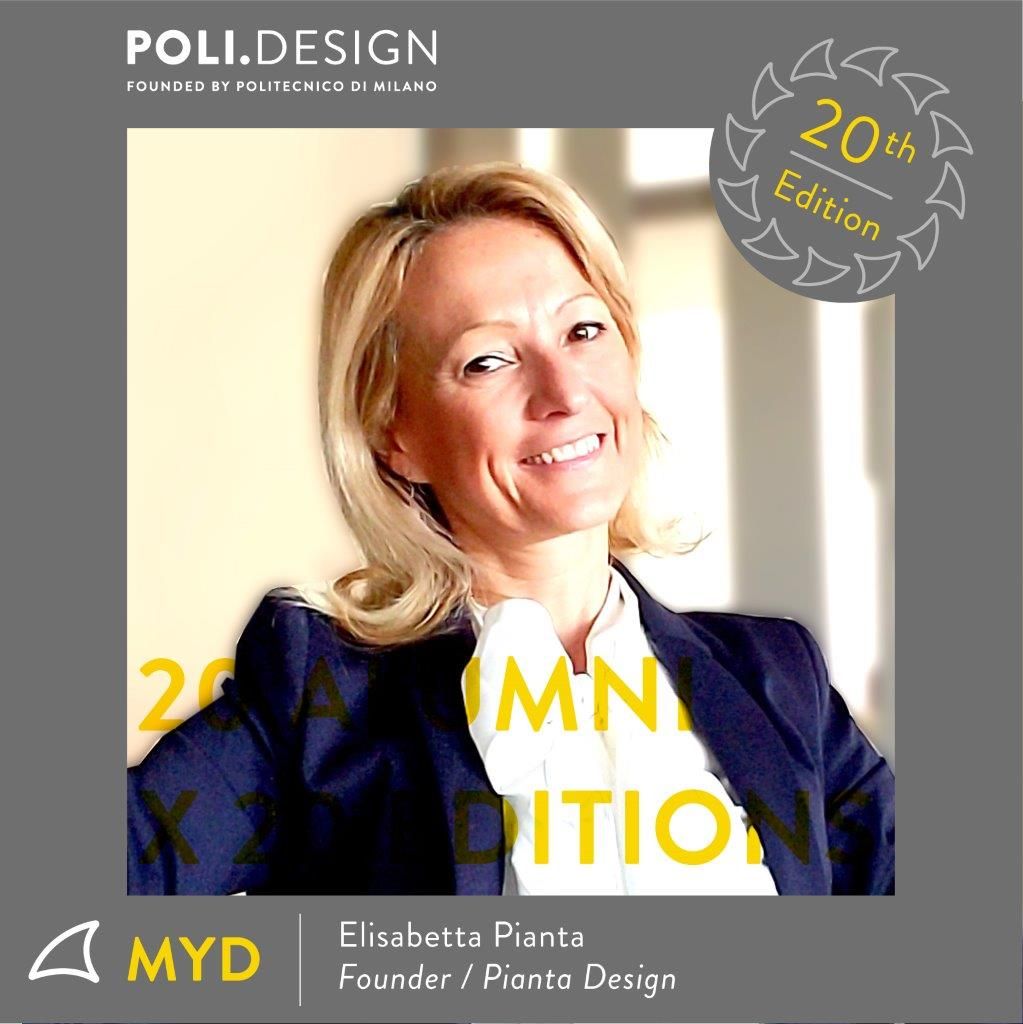
Elisabetta Pianta, student of the I edition of the Specializing Master and today Founder of the studio Pianta Design tells us about her experience.
Yacht Design Alumni stories
news
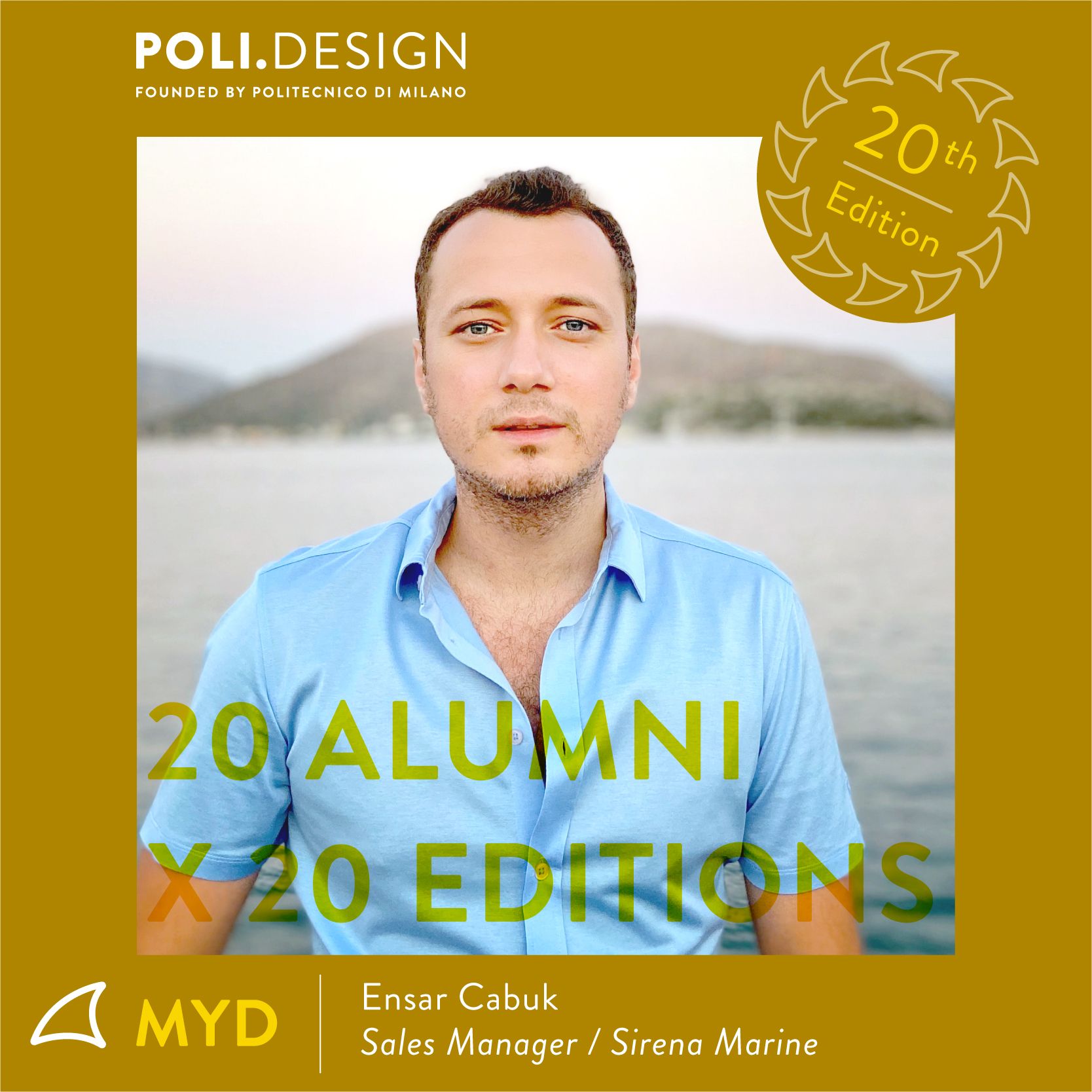
Ensar Cabuk, student of the IX edition of the Specializing Master and today Sales Manager at Sirena Marine.
Yacht Design Alumni stories
news
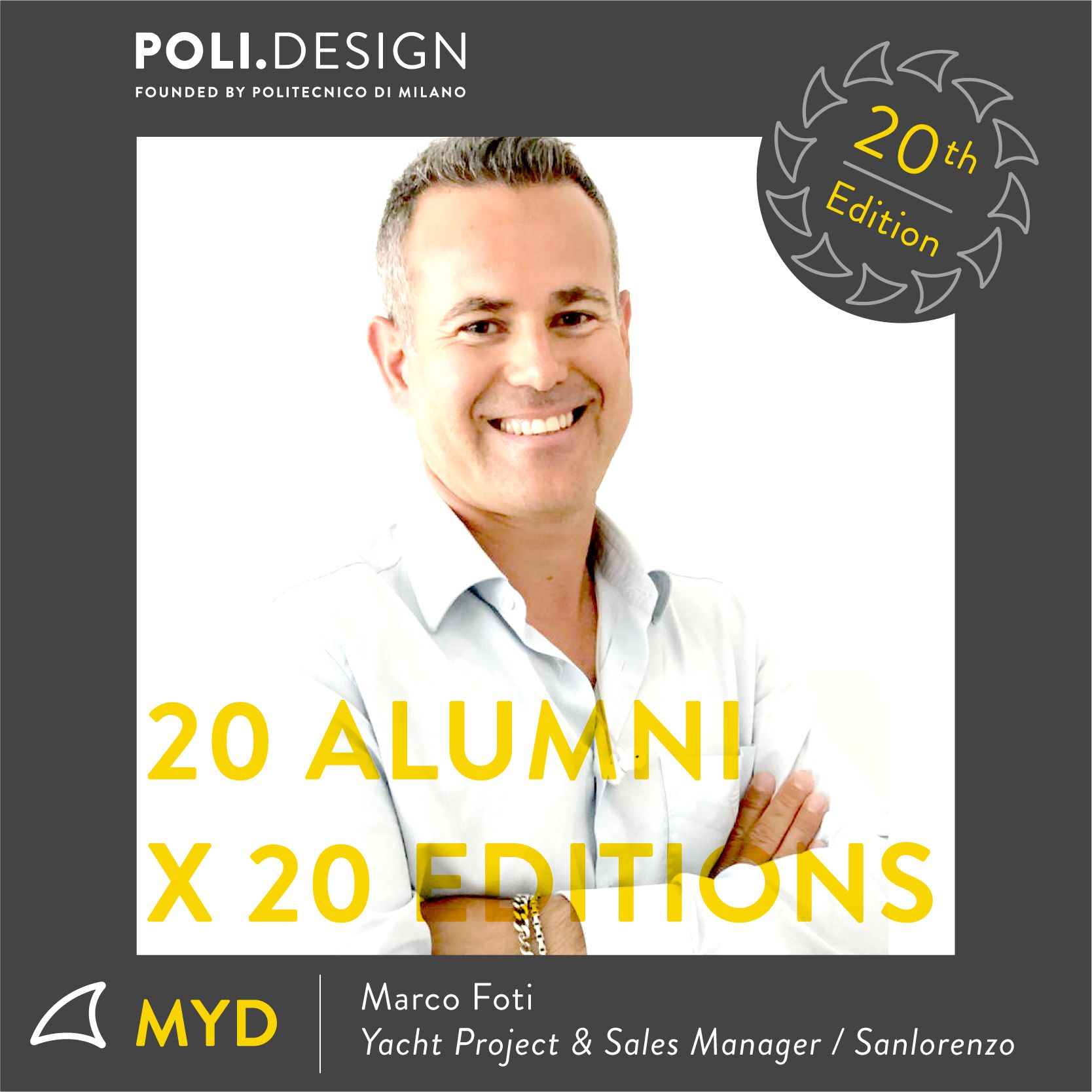
Marco Foti, student of the Specializing Master and today Project & Sales Manager of the Yacht division of the Sanlorenzo shipyard
Yacht Design Alumni stories
news
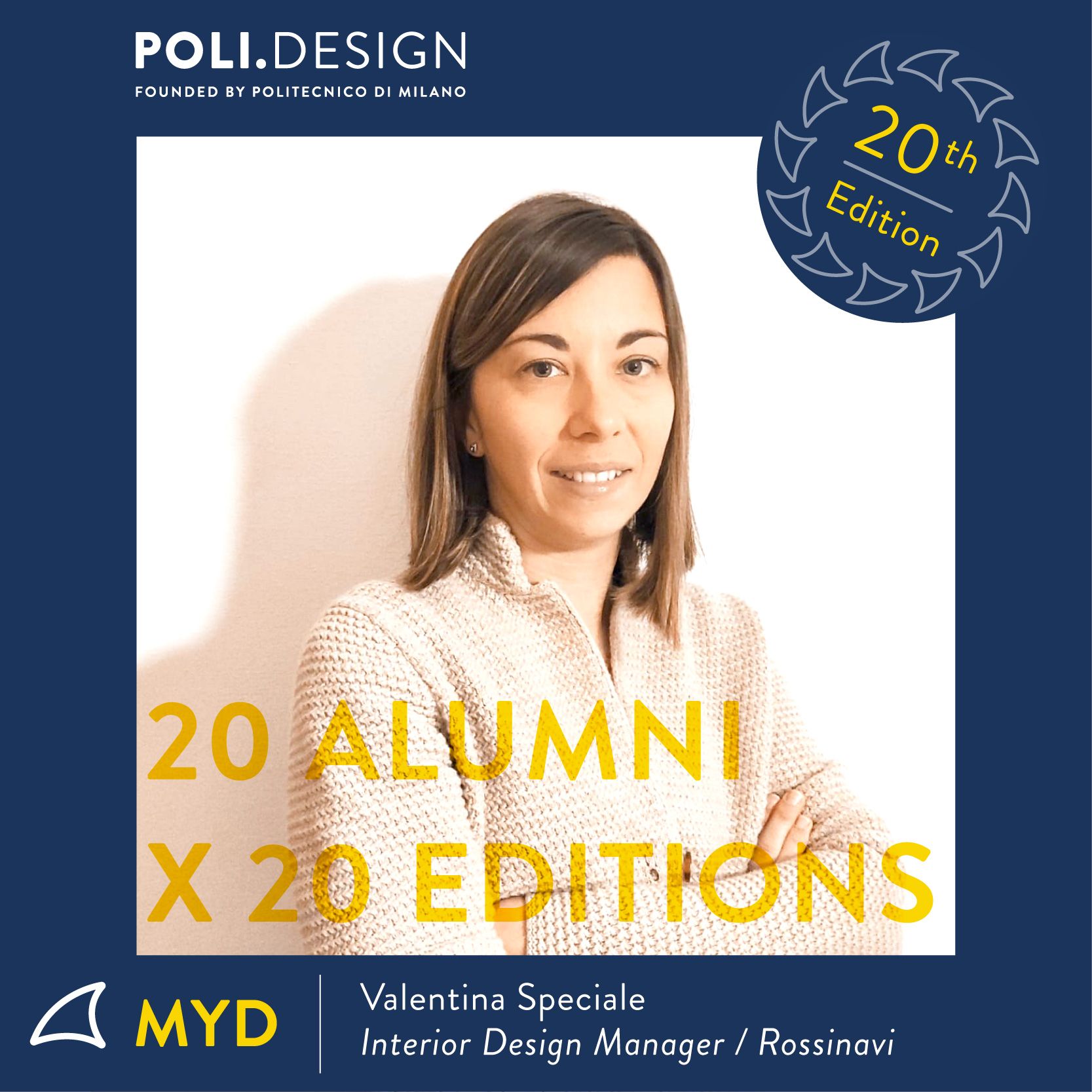
Valentina Speciale, student of the VIII edition of the Specializing Master and today Interior Design Manager at Rossinavi tells us about her experience.
Yacht Design Alumni stories
news
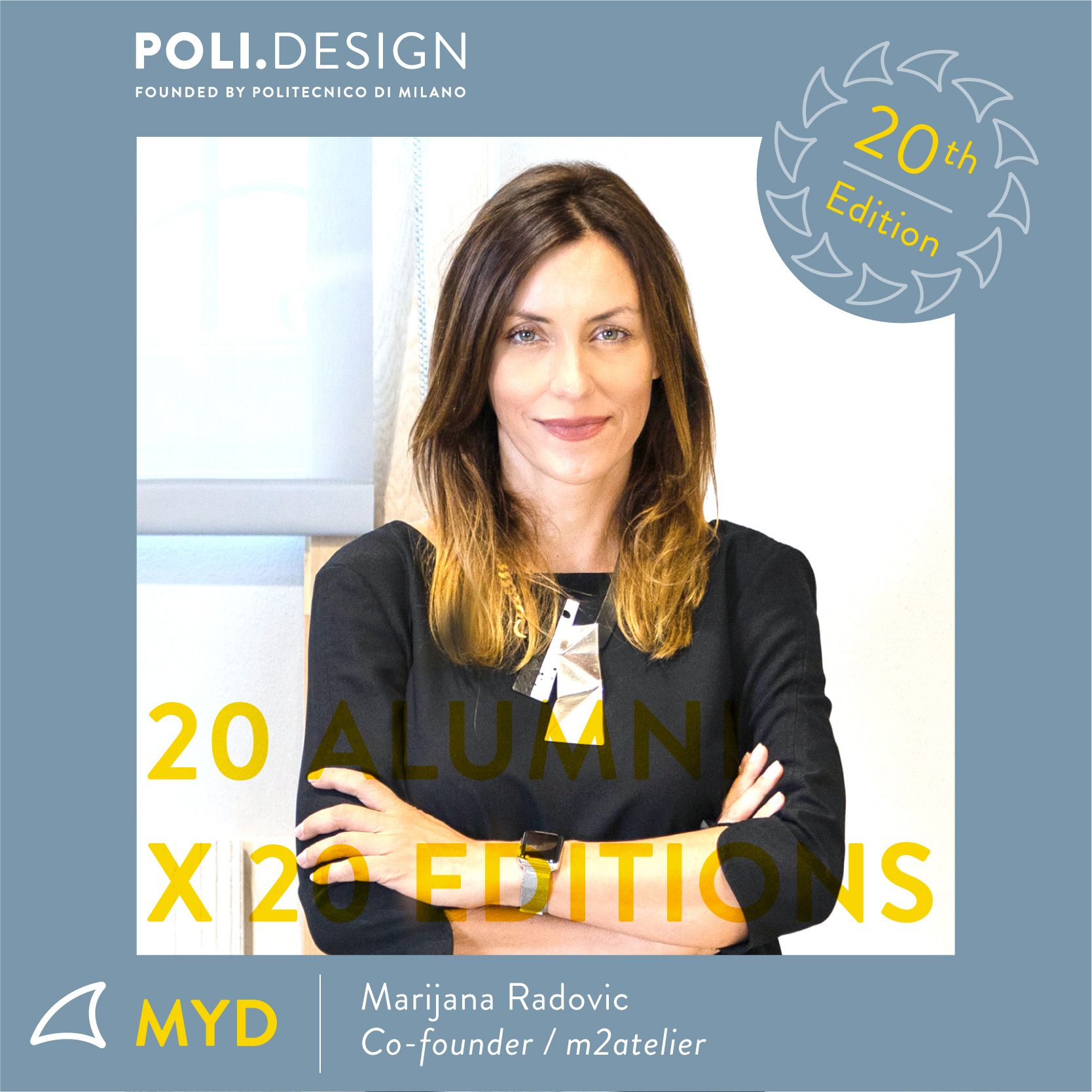
Marijana Radovic,student of the Specializing Master and today Co-founder / m2atelier tells us about her experience.